

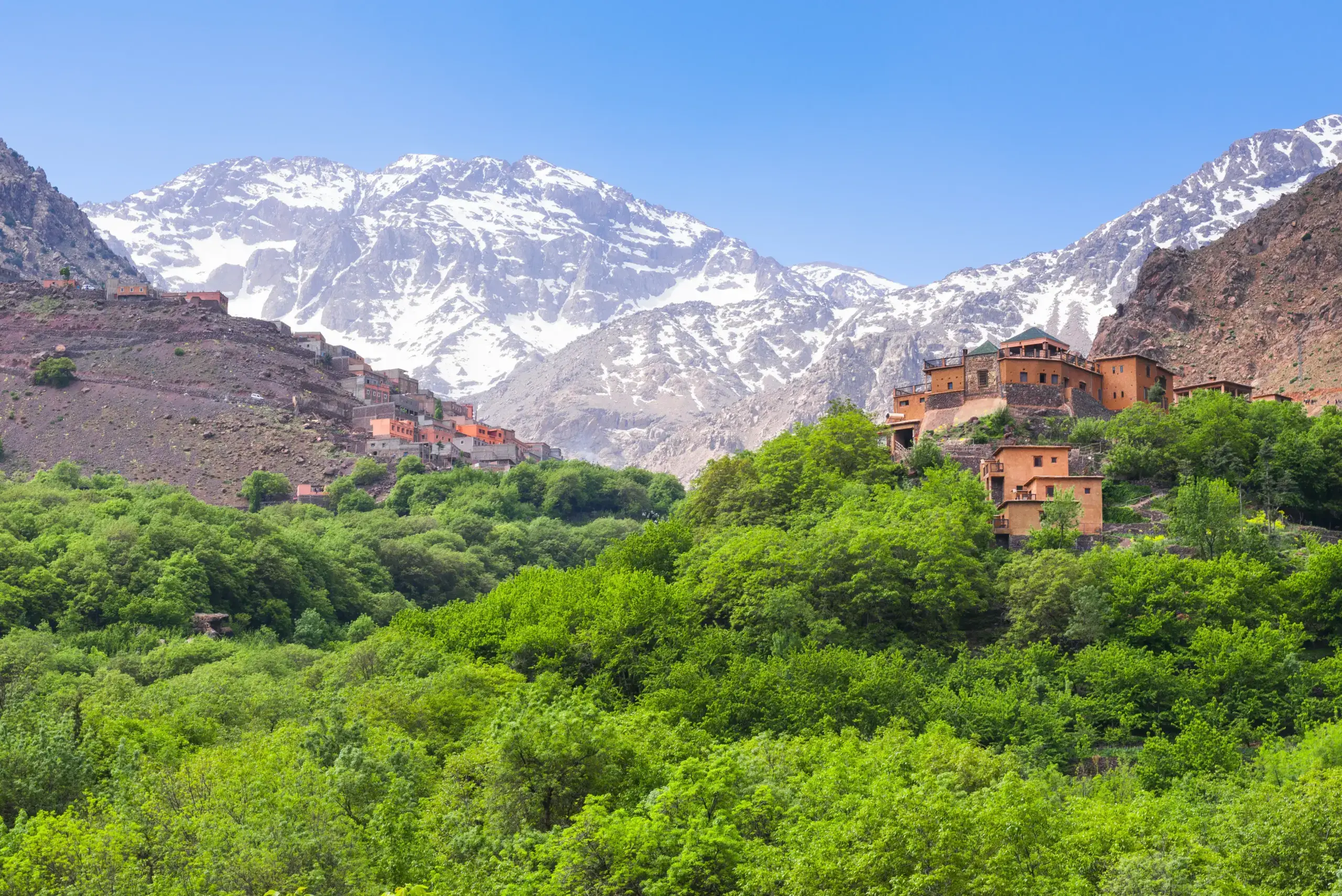

Imlil Valley wakes gently. Before the sun settles fully into the slopes, you can hear water moving somewhere out of sight, the soft clink of cups in a small guesthouse courtyard, and the first voices of the day rising from nearby lanes. The air feels clean without being sharp, carrying woodsmoke, damp earth, and a faint sweetness from orchards when the season is right. People move with purpose but no hurry: a shop owner arranging crates, a woman returning with bread, a child zigzagging between adults, a mule stepping carefully through a narrow path that has carried the same rhythm for generations. In this light, Imlil Valley doesn’t present itself as a dramatic spectacle. It feels lived-in, intimate, and quietly confident in its own pace.
For a more immersive experience and to explore the hidden corners of the valley with expert guidance, check out our detailed Excursion to Imlil Valley.
What Is Imlil Valley?
Imlil Valley sits in the High Atlas region of Morocco, a layered landscape of villages, cultivated terraces, riverbeds, and wooded pockets that tighten and open as you move higher into the folds of the mountains. The valley gathers several small communities connected by footpaths and local roads, and imlil village morocco functions as the main hub where transport arrives, where small cafés and shops cluster, and where many visitors first meet the valley’s everyday life.
What’s easy to miss, especially if you arrive with a checklist mindset, is that the valley is not just a logistical point on a map. It is a cultural and agricultural space shaped by water management, seasonal cycles, and Amazigh heritage. The architecture, the terraced fields, and the patterns of daily movement tell you as much about the place as any viewpoint.
Micro-summary: Imlil Valley is a connected network of mountain villages where culture and landscape are inseparable, with Imlil as the practical and social center.
Why Imlil Is Unique
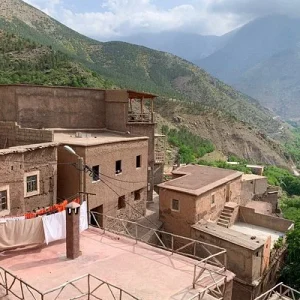
The distinct character of imlil morocco comes from the balance between rugged terrain and careful human stewardship. Terraced fields ripple along slopes that would otherwise be too steep to cultivate. Walnut, apple, and cherry trees depending on the year and altitude create pockets of shade and color that soften the stone. Irrigation channels, sometimes subtle and sometimes clearly visible, show how communities have adapted to a water system that can be generous in one season and restrained in another.
Amazigh culture shapes the valley’s tone in ways that feel understated rather than staged. You might notice it in the way neighbors greet each other, in the calm hospitality offered without performance, or in a simple shared tea that feels more like everyday habit than a “cultural moment.” The valley’s atmosphere can be brisk in winter, bright and lively in spring, and dusty-golden in late summer. Each season shifts the mood slightly, and that variability is part of the appeal.
Daily Life in the Valley
Morning routines are the valley’s most honest introduction. You see agriculture not as background scenery, but as a working reality. Families tend small plots. Men and women carry baskets with a practiced ease. Mules appear not as quaint symbols but as practical partners in difficult terrain. At midday, the lanes quiet down, and the valley seems to exhale. Late afternoon brings a second wave of movement as people return from fields or short errands.
Tea culture here is not ceremonial in a grand sense it’s relational. A glass of mint tea might follow a brief conversation about weather, harvest, school, or the price of supplies in Marrakech. The warmth is real, but so is the privacy of local life. You’re a guest in a place that has its own internal rhythm, and watching that rhythm respectfully is part of the experience.
Micro-summary: Daily life in Imlil is shaped by agriculture, community ties, and practical mountain routines rather than tourism alone.
What to See & Do in Imlil Valley
Even without any ambitious plan, the valley offers small, satisfying experiences that reward slow attention:
-
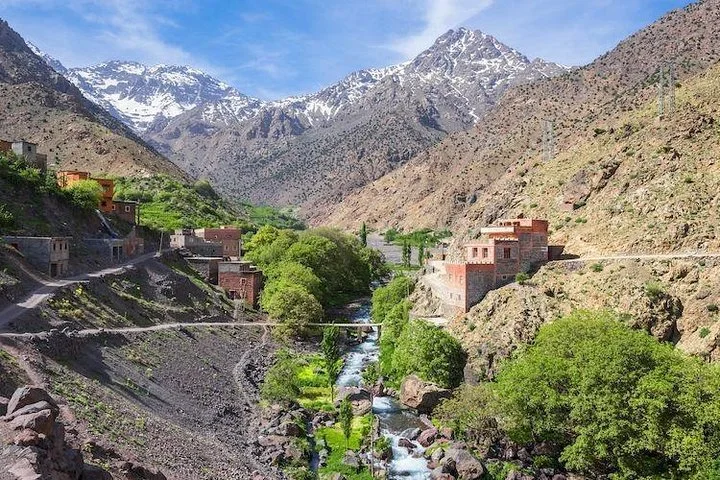
Easy walks between nearby hamlets. Short routes reveal changing angles of terraces, orchards, and stone houses.
-
Waterfalls and streams. Their size varies by season, but the sound of moving water is a recurring companion.
-
Traditional homes and village lanes. The architecture feels functional and beautiful in a quiet, unforced way.
-
Valley viewpoints. Some are reached with gentle climbs; others appear at the turn of a path.
-
Local cooperatives and small shops. You may find argan-based products, woven goods, or handmade items that reflect regional craft rather than mass trends.
-
Nature and everyday photography. The best images often come from ordinary moments: a doorway lit by afternoon sun, terraced lines after rain, or a donkey resting in shade.
These experiences create an understanding of imlil as a place where you can simply be present walking, observing, and letting the valley’s scale and quiet detail settle in.
Do You Need a Guide in Imlil Valley?
For many visitors, the straightforward parts of the valley are easy to explore independently. The main paths around Imlil and the nearby villages are well used, and a simple walk can be as rewarding as any more structured plan.
That said, a local guide can add real value if you want to reach deeper villages, navigate narrower side routes, or find longer, less obvious viewpoints. Guidance here isn’t only about direction; it can also offer context about agriculture, family histories, water systems, or the meaning of a local festival. If your goal is a richer cultural read of the landscape, a guide can help you see what you might otherwise pass without noticing.
Micro-summary: You can comfortably explore the core valley alone, but local guides can deepen both navigation and cultural understanding in lesser-known areas.
Best Time to Visit Imlil Valley
The valley changes noticeably with the seasons, and each period has its own texture.
-
Spring: Fresh greenery, active farms, comfortable walking conditions.
-
Summer: Bright skies and longer days; afternoons can feel warm and dry.
-
Autumn: Clear air, calmer pace, and soft light for photography.
-
Winter: Crisp, quiet, and atmospheric; expect colder mornings and early evenings.
Cultural Etiquette
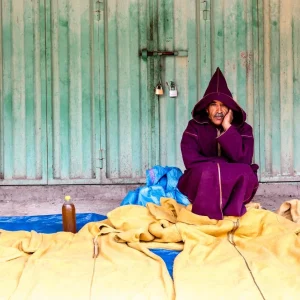
Small gestures of respect go a long way in mountain communities:
-
Dress modestly, especially when walking through villages.
-
Ask before photographing people, homes, or intimate street scenes.
-
Keep voices and movement calm in residential lanes.
-
Accept hospitality with gratitude, but avoid turning everyday life into performance.
-
Remember that many Amazigh families here are balancing tradition with modern pressures respect that complexity.
Practical Tips
A few simple choices will make your visit smoother and more thoughtful:
-
Transport from Marrakech: Shared taxis and private transfers are common ways to reach Imlil; leaving early helps you enjoy a fuller day in the valley.
-
Weather shifts: Mountain conditions can change quickly. Bring a light layer even when the city is warm.
-
Clothing: Comfortable walking shoes and a modest, layered outfit suit most scenarios.
-
Water: Carry enough for short explorations, especially in warmer months.
-
Local support: Buying from cooperatives or small family-run shops helps keep livelihoods rooted in the valley.
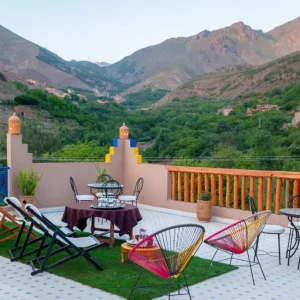
This region is one of Morocco’s most accessible mountain landscapes, close enough to Marrakech to feel within reach, but distinct enough to feel like a different world.
Conclusion
Imlil Valley is often introduced through the lens of the mountains around it, but the valley itself deserves attention on its own terms. It is a place of terraces and quiet industry, of rivers that shape settlement, of Amazigh community life that continues beyond the visitor’s gaze. The real pleasure here can be simple: an unhurried walk, a conversation over tea, the sound of water in a shaded corridor of trees, the way stone and sunlight meet in late afternoon.
If you arrive looking for more than a gateway if you arrive ready to observe imlil offers a calm, cultural, scenic experience that feels both grounded and memorable.
Ready to experience the valley firsthand? Discover our Excursion to Imlil Valley and enjoy a guided journey through Imlil’s scenic villages and terraced landscapes.
FAQ
Is Imlil Morocco worth visiting even if I’m not trekking?
Yes. Imlil Morocco offers village walks, terraced landscapes, local cooperatives, and a peaceful mountain atmosphere that can be enjoyed without any big hiking agenda.
What is special about Imlil Valley?
Imlil Valley blends Amazigh culture with a carefully cultivated mountain environment orchards, irrigation, stone villages, and a slower rhythm of daily life.
What should I expect when visiting Imlil village Morocco?
Expect a small, welcoming hub with cafés, local shops, and easy access to nearby walks. It’s a living village first, with tourism as a secondary layer.
When is the best season for Imlil?
Spring and autumn are often the most comfortable and visually rich, while summer is bright and lively and winter is quieter and colder.
Author Bio
Author: A field-based travel writer focused on Morocco’s High Atlas landscapes and Amazigh cultural regions. Their work draws on repeated visits to valley communities around Imlil, with an emphasis on everyday life, seasonal change, and the human geography that shapes mountain places.
0 Comment