The road from Marrakech to the High Atlas doesn’t so much end as it dissolves into the steep, terraced slopes of the Mizane Valley. As the dust of the Haouz plain settles behind you, the air undergoes a sharp, tectonic shift. The heat loses its weight, replaced by a thin, pine-scented coolness that signals your arrival at the threshold of North Africa’s highest peaks.
This is Imlil. For decades, this cluster of stone and earthen dwellings has served as the definitive gateway to the roof of the Maghreb. To speak of Imlil Toubkal is to speak of a symbiotic relationship between a mountain and the village that lives in its shadow.
Micro-summary: Imlil is the primary trailhead for Mount Toubkal, serving as a cultural and logistical bridge between the urban energy of Morocco and the high-altitude silence of the Atlas.
What “Imlil Toubkal” Really Refers To
In the lexicon of Moroccan travel, the phrase “Imlil Toubkal” describes more than just a geographic coordinate. It represents the transition from the valley floor to the alpine world. Imlil village, Morocco, sits at approximately 1,740 meters, acting as the final outpost of civilization before the terrain becomes exclusively the domain of rock, snow, and shepherds.
The link is inescapable. Every muleteer, every mountain guide, and every glass of mint tea served on a rooftop terrace here is somehow connected to the presence of Mount Toubkal. You don’t just visit Imlil to see a village; you visit to stand at the base of a giant. While the peak itself remains hidden from the village center tucked behind the massive shoulders of the surrounding ridgelines its presence dictates the rhythm of daily life.
Micro-summary: The term reflects the inseparable link between the village’s infrastructure and the physical ascent of North Africa’s highest peak.
Imlil as the Gateway to Mount Toubkal
The geography of Toubkal National Park is rugged and uncompromising. Because there are no paved roads leading higher than Imlil, the village has evolved into a sophisticated logistical hub.
The Infrastructure of the Ascent
Once you step out of a vehicle in Imlil, the pace of travel changes. Movement becomes a matter of footfalls and mule hooves. The village is the last place to secure a licensed mountain guide, rent crampons for winter ascents, or organize a mule team to carry supplies to the base camp at 3,207 meters.
Mountain Culture and Local Life
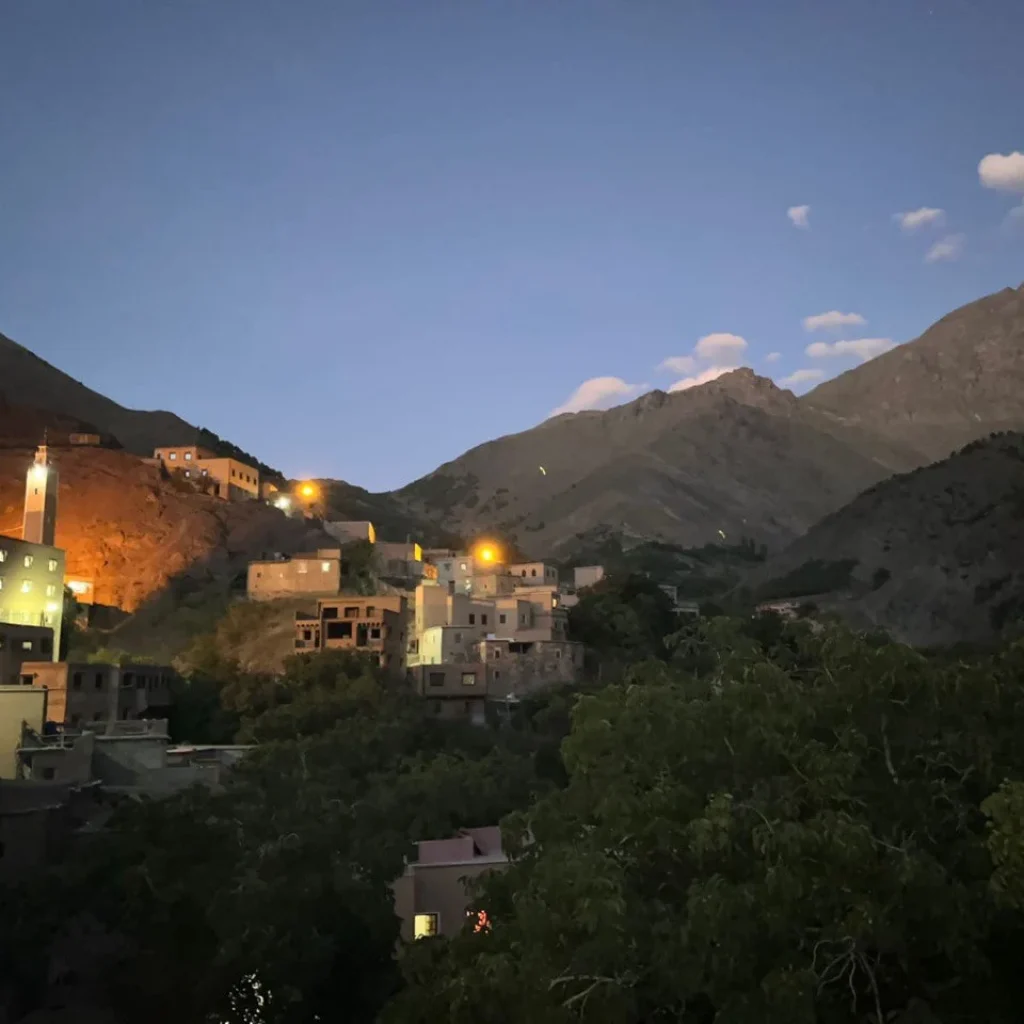
Despite the influx of trekkers, Imlil has managed to retain its identity as a living Berber community. The “mule paths” aren’t just for tourists; they are the arteries of the valley, used to transport everything from gas canisters to walnuts, the region’s primary export. The architecture remains grounded in the landscape, with houses built into the slopes, often using the roof of one home as the terrace for the one above.
What Travelers Experience Before the Climb
Arriving in Imlil provides a necessary pause. There is a specific energy to the village a mixture of anticipation from those about to begin a Mount Toubkal trek and the weary satisfaction of those who have just descended.
The village rhythm is defined by the sound of rushing water from the seasonal snowmelt and the call to prayer echoing off the canyon walls. On the terraces, you see hikers checking their laces and waterproofs, while local men sit in quiet clusters, leaning against stone walls in the sun.
It is a place of preparation. The air is thinner here, and the light has a piercing clarity that makes the green of the walnut groves pop against the ochre-red soil. Even if you aren’t heading for the summit, the experience of sitting in a village square where the “highway” is a dirt path used by pack animals is a profound shift from the sensory overload of Marrakech.
Do You Need a Guide in Imlil?
This is the most frequent question asked by those visiting the Atlas Mountains, Morocco. Since 2018, regulations have tightened. For those attempting to summit Toubkal, a licensed guide is mandatory for safety and security. However, the question of “needing” a guide goes beyond mere compliance.
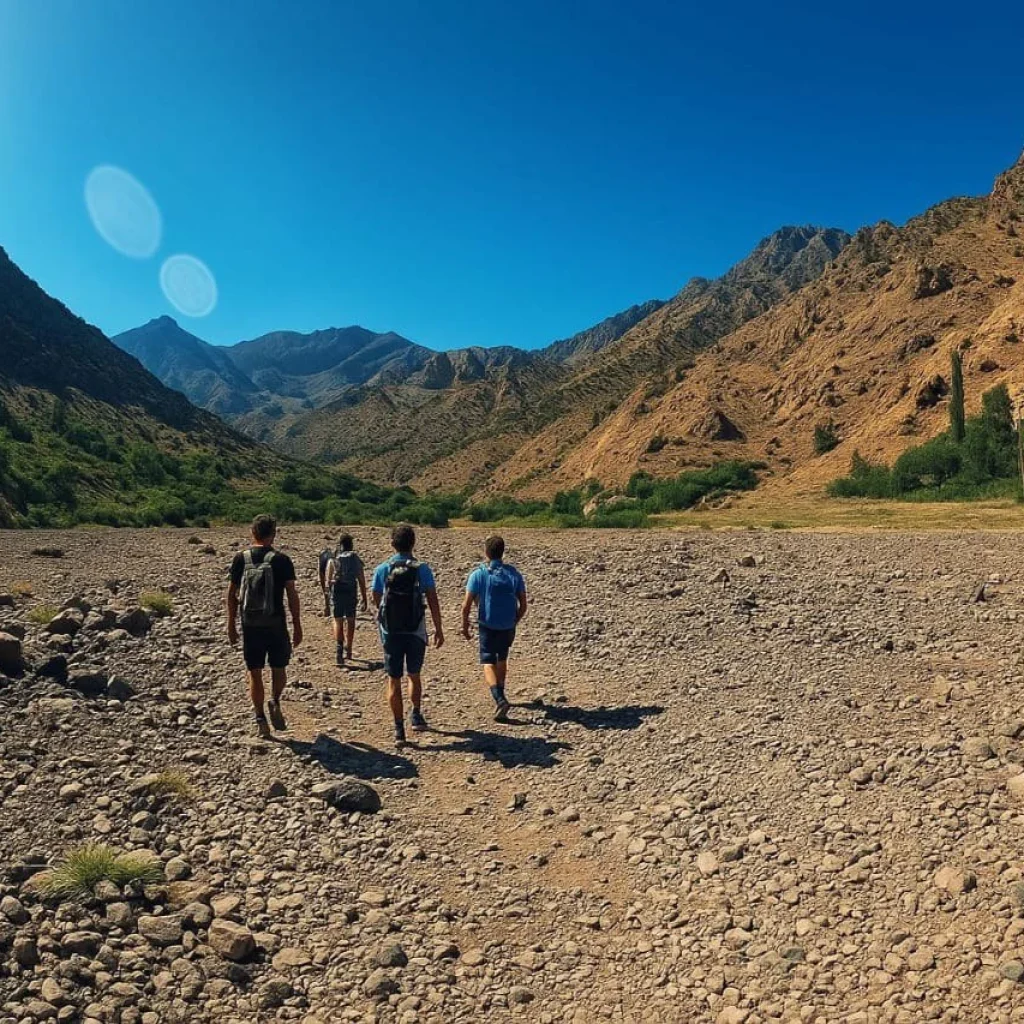
The Independent Visit: It is entirely possible to wander the lower trails around Imlil alone. The paths to the neighboring village of Aroumd are well-trodden and offer stunning views of the valley.
The Guided Support: Engaging a guide, even for a day hike through the Imlil Valley, changes the texture of the trip. A local guide doesn’t just show you the path; they act as a cultural translator. They know which house sells the best bread, the history of the irrigation channels (seguias), and the names of the peaks that look like identical jagged teeth to the untrained eye.
Choosing a structured or guided experience often simplifies the logistics of transport and equipment, allowing the traveler to focus on the sensory experience of the mountains rather than the stress of navigation.
Best Time to Visit Imlil and the Toubkal Region
The High Atlas does not follow the same rules as the rest of Morocco. While the desert bakes, Imlil remains a refuge of cool air.
Season
Weather & Conditions
Recommendation
Spring (April–May)
Mild days, blooming valleys, and lingering snow on the high peaks.
Ideal for valley walks and moderate trekking.
Summer (June–August)
Hot in the sun, but cool in the shade. The busiest time for summiting.
Best for those wanting to avoid technical snow gear.
Autumn (Sept–Oct)
Golden light and the walnut harvest. Stable weather.
The photographer’s favorite season.
Winter (Nov–March)
Harsh, alpine conditions. Crampons and ice axes required for Toubkal.
For experienced mountaineers only.
Practical Advice Before Visiting Imlil
Layering is Essential: Even in summer, the temperature drops significantly once the sun dips behind the ridges.
Altitude Awareness: Imlil is high enough that some may feel a slight shortness of breath. Hydration is the best defense.
Currency: There are limited ATM facilities in the village. It is best to carry enough Moroccan Dirhams from Marrakech for small purchases and tips.
Respect the Pace: Things move slower here. Whether it’s waiting for a meal to be prepared or a mule to be loaded, the mountains demand patience.
Frequently Asked Questions
Is Imlil worth visiting if I don’t want to climb Mount Toubkal?
Yes. Many visitors come to Imlil to experience the Berber mountain culture, enjoy the cooler climate, and take shorter, less strenuous walks through the walnut groves and surrounding villages like Aroumd.
How far is Imlil from Marrakech?
It is approximately 65 kilometers (40 miles), which usually takes about 90 minutes to 2 hours by car, depending on traffic and road conditions.
Can I buy hiking gear in Imlil?
There are several shops in the village where you can rent or buy essential trekking gear, including boots, poles, and winter equipment like crampons.
Is there a dress code for Imlil?
While Imlil is accustomed to tourists, it is a traditional Berber community. It is respectful to dress modestly, covering shoulders and knees, especially when walking through the village centers.
The Last Word: From Village to Peak
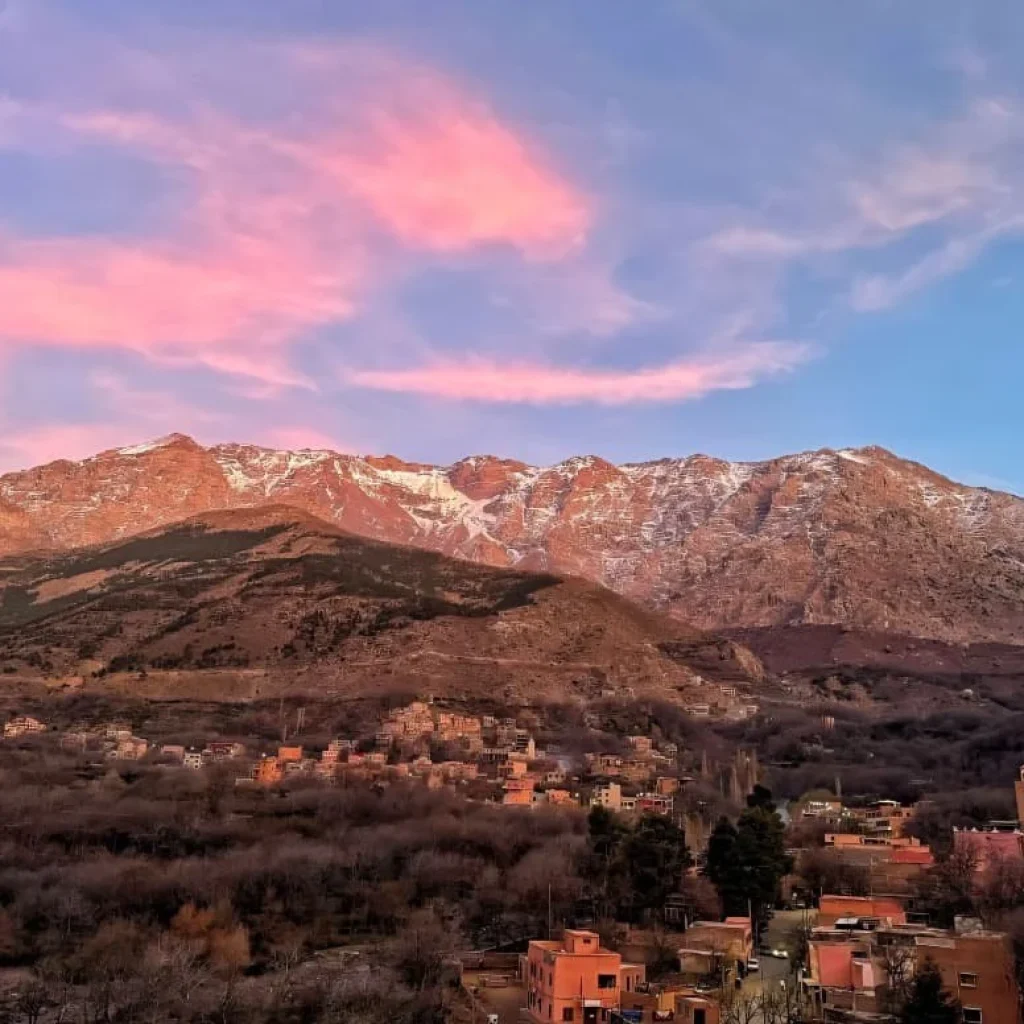
There is a specific moment in Imlil, usually just as the evening shadows stretch across the valley floor, when the scale of the landscape truly sinks in. The village feels small, tucked into the crease of the earth, while the ridges of the Toubkal National Park loom in shades of violet and grey above.
Imlil is more than a base camp. It is the bridge between the modern world and an ancient, vertical landscape. Whether you are there to stand on the summit of North Africa or simply to breathe air that hasn’t been recycled by the city, the village provides the essential grounding needed for the heights.
Navigating the logistics of mountain travel can be daunting. Often, the most rewarding way to experience this region is through a well-organized valley experience. By allowing local expertise to handle the transport and timing, you gain the mental space to actually see the mountains, rather than just manage them.
Would you like me to help you draft a packing list specifically for a spring trek in the High Atlas?



0 Comment