

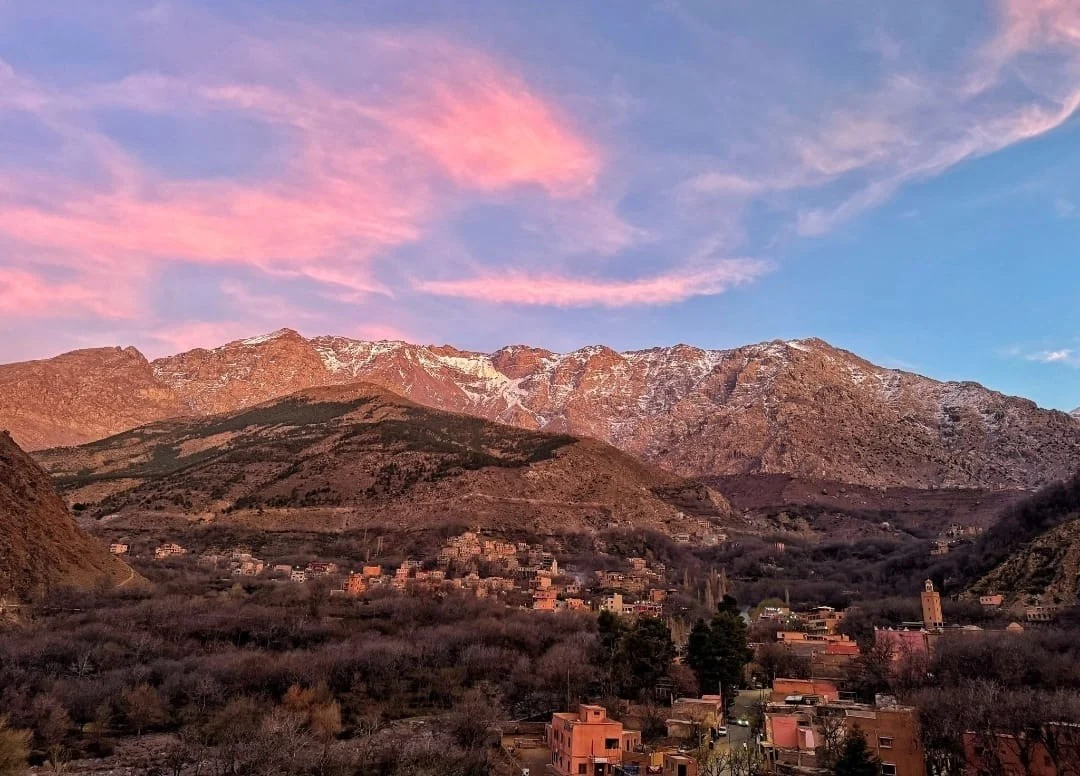

The first thing I notice in Imlil Valley Morocco is how the light arrives in layers. Not dramatic, not theatrical just gradual. It slips over the ridge, touches the upper terraces first, and then moves down toward the valley floor where water runs in thin, quick channels. Somewhere close, a rooster calls once, then stops. A donkey’s hooves tap against stone. In the distance, voices carry for a momentshort, practical exchanges before the valley returns to its usual rhythm of soft sound: irrigation water, wind in leaves, a door closing, a kettle set down.
This is the kind of place where time doesn’t feel slow. It feels occupied.
If you’re curious about spending a little longer here beyond a quick stop there’s a gentle way to start: a short walk, a conversation, a look at how the valley is arranged. [Excursion to Imlil Valley]
Micro-summary: Imlil begins quietly light, water, and everyday movement set the tone more than anything “touristy.”
What Is Imlil Valley, Morocco?
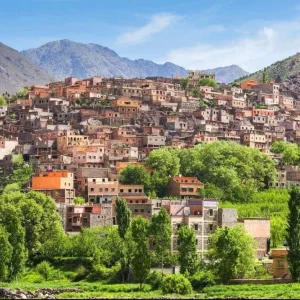
Imlil Valley Morocco sits in the High Atlas Mountains, south of Marrakech, and it’s best understood as a lived landscape rather than a single viewpoint or landmark. The valley holds a cluster of villages and hamlets built into the slopes stone homes, low walls, narrow paths woven together by terraces and water. The geography shapes everything: where people plant, where they walk, how they greet each other, how they share space.
The valley’s identity comes from its agricultural logic. Terraces step down the hillsides in careful lines. Walnut, apple, and cherry trees appear in pockets where the soil is deep enough. You’ll see small fields edged by stones, sometimes so tidy they look intentional, sometimes rougher and more improvised. Water, always, is the organizing principle guided through channels that have been maintained and adjusted over generations.
When people say “Imlil,” they often mean the central village area imlil village morocco but the feeling of the place extends beyond one main street. Imlil is a network: paths to relatives, paths to orchards, paths to springs, paths to prayer, paths to school.
Micro-summary: Imlil Valley is a high-mountain community of villages shaped by terraces, orchards, and carefully managed water.
Why Imlil Valley Feels Different
What sets imlil morocco apart isn’t only the mountain setting it’s the way human life is fitted to it. The valley doesn’t try to overpower the landscape, and the landscape doesn’t allow shortcuts. Homes are built from stone and earth tones that make them feel like part of the hillside. Rooflines are simple. Walls are thick. Everything looks made to last, not to impress.
Amazigh (Berber) culture is present in the practical details: the greetings, the pace, the tea offered as a real pause rather than a ritual performed for visitors. You’ll notice how people move through the village with purpose carrying produce, guiding animals, heading toward fields yet still stopping for short conversations in the shade. The valley has a social texture: small exchanges repeated daily, neighbors calling out across a path, children moving in groups.
Then there are the seasonal rhythms. In warmer months, the valley smells green leafy, wet, sun-warmed. In autumn, there’s a dry sweetness in the air, and the terraces look slightly tired, as if the land is exhaling after work. In winter, the light becomes sharper and the nights arrive early. The architecture makes more sense then, when you realize how much warmth is held inside those stone walls.
Even the water systems feel like a language. Channels appear and disappear. Tiny diversions lead to a single tree. A narrow stream runs under a path, then reappears where someone has built a small crossing of stones. It’s not decorative it’s survival and fairness and shared responsibility.
Micro-summary: Imlil’s difference comes from how Amazigh life, stone architecture, and water management are interlocked with the seasons.
Daily Life in Imlil Village Morocco
In imlil village morocco, mornings are organized around small necessities. A shop opens with a half-lifted metal shutter. Bread appears in simple stacks. Someone sweeps dust from a doorstep into a line that the wind will erase later. Tea is made early, and you’ll often hear the faint clink of glass as people pour high enough to cool it, practiced enough to look effortless.
You see work everywhere, but it doesn’t feel hurried. Animals pass through the narrow lanes: a mule with empty baskets, a donkey carrying greens, sometimes a small herd of goats guided by someone young who looks like they’ve done it a thousand times. Older men sit in places that catch the sun. Women move in and out of doorways, balancing tasks with conversation.
Tourism exists of course it does. You’ll see day visitors walking through, looking around, asking directions, taking photos. A few cafés and small guesthouses sit along the main route. But if you stay still for long enough, you realize the valley is not arranged around visitors. People are not “performing” their lives. They are simply living them, and you are passing through.
One afternoon, I sat near a small stream where the path widened slightly just enough for two people to stop without blocking anyone. A group of kids passed, laughing, then quieted as they approached an older neighbor. There was a greeting, a shift in tone, a brief respectful pause, and then they ran on again. It was small, ordinary, and somehow more informative than any explanation.
Micro-summary: Daily life in Imlil village is built on routine tea, work, animals, and neighborly exchanges while tourism stays on the edges.
Things to Experience in Imlil Valley (Without Trekking)
You don’t need a long hike to understand Imlil Valley Morocco. The valley offers quieter ways to spend time slower experiences that match the place.
Easy walks that feel like real wandering
Short paths connect homes, terraces, and small overlooks. You can walk for twenty minutes and already feel the valley shift: from village lanes to orchards, from stone steps to dirt paths, from shade to open sun.
-
Follow irrigation channels and notice how water is guided
-
Walk between terraces and watch how planting patterns change
-
Pause where paths meet those are often the social points
Village lanes and small human details
The lanes in imlil are narrow enough to make you pay attention. You’ll notice doorways, stacked firewood, small repairs done with whatever was available, herbs drying in shade, and the way people arrange a bench to catch afternoon light.
-
Sit somewhere unobtrusive and watch movement
-
Notice how often greetings happen, even between strangers
-
Listen for the valley’s “working sounds”: tools, animals, water
Orchards, streams, and simple viewpoints
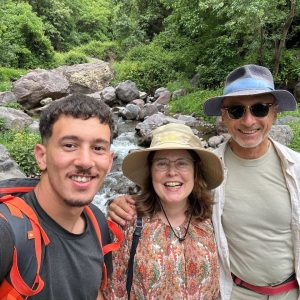
There are gentle viewpoints that don’t require “effort” so much as time. A little climb above the village can give you a view of terraces layered like steps. Streams appear in unexpected places, often edged with mint. In summer, shade under walnut trees can feel like a small gift.
-
Bring a snack and eat it near running water
-
Look for the transitions: orchard to field, field to stone
-
Photograph textures walls, channels, terraces rather than “big scenes”
Photography and observation
If you like photographing places, imlil morocco rewards patience. The best images often come from ordinary frames: a hand watering, a donkey turning a corner, a child balancing on a stone wall.
-
Ask before photographing people, especially close-up
-
Photograph from a respectful distance when unsure
-
Notice how light changes fast in mountain valleys
Micro-summary: In Imlil, small walks, orchard paths, and quiet observation reveal more than chasing highlights.
Do You Need a Guide in Imlil Valley?
It depends on what you want to notice.
For simple wandering walking village lanes, following main footpaths between terraces, sitting by water going alone can be perfectly fine. Many paths are intuitive, and locals will often point you in the right direction with a brief gesture and a few words, even if you don’t share a language well.
A local guide can add value in a different way: not as a “leader,” but as a translator of context. Someone who knows which terrace belongs to whom, why a channel is diverted here, how seasonal work changes the valley, what’s considered polite in certain situations. They can help you avoid wandering into spaces that feel public but are actually private.
A guide is also useful if you want to walk farther out into the valley’s side paths, where routes split often and signage is minimal. Not because it’s dangerous in a dramatic way, but because it’s easy to lose the thread of where you are and easy to miss the story of what you’re seeing.
If you’re considering a guided walk, think of it as choosing conversation over silence for a few hours. Not necessary but sometimes richer.
Micro-summary: Walking alone works for simple routes; a local guide helps with cultural context, navigation on side paths, and understanding daily life.
Best Time to Visit Imlil Valley Morocco
Each season gives Imlil Valley Morocco a different mood, and the “best” time depends on what kind of atmosphere you want.
Spring
Spring feels active and bright. Water runs more confidently, terraces look freshly tended, and the valley has a crisp clarity in the mornings. You’ll see more planting and pruning work happening close to paths.
Summer
Summer brings long days and a softer, greener shade under trees. The valley can be warm in the middle of the day, but mornings and late afternoons are gentle. Streams and irrigation channels become the places where you linger.
Autumn
Autumn is calmer. The valley looks slightly drier, colors deepen, and evenings become cooler. There’s often a sense of harvest-time practicality work that feels scheduled and communal.
Winter
Winter is quiet and sharp-edged. Nights are cold, and the valley has a stark beauty stone, sky, and the steady presence of smoke from household fires. Days can still be sunny, but the air has teeth in the shade.
Micro-summary: Spring feels fresh, summer feels shaded and slow, autumn feels grounded, and winter feels quiet and crisp.
Cultural Etiquette & Local Respect
Imlil is welcoming, but it’s not a stage. A little care goes a long way.
-
Dress with the village in mind. You don’t need to be overly covered, but modest clothing helps you blend in and avoids unwanted attention.
-
Ask before photographing people. A smile and a gesture toward your camera often communicates enough. If someone hesitates, let it go.
-
Mind private space. Terraces and paths can look public, but many are part of someone’s home and livelihood. If you’re unsure, stay on clearer routes.
-
Greetings matter. A simple hello, a nod, or a polite “salam” is appreciated.
-
Keep noise low. The valley’s atmosphere is part of what makes it special don’t overpower it.
Micro-summary: Respect in Imlil is simple: dress modestly, ask before photos, stay mindful of private land, and keep your presence light.
Practical Tips for Visiting Imlil
Getting there from Marrakech
Most people reach imlil from Marrakech by road. The journey isn’t long, but it’s a clear transition from city noise to mountain air. Shared transport options exist, as do private transfers; either way, expect the last stretch to feel narrower and more rural.
What to wear and carry
Even if you’re not trekking, the valley is still a mountain environment.
-
Comfortable walking shoes (paths can be uneven stone)
-
A light layer for mornings and evenings
-
Sun protection hat and sunscreen matter here
-
Water (and a way to refill if possible)
Pace and timing
Give the valley time. Imlil reveals itself in pauses when you stop to watch water move, when you sit quietly in shade, when you take the long way through a lane.
-
Start early if you want softer light and fewer interruptions
-
Keep afternoons flexible; they’re for wandering and sitting
-
Don’t over-plan one good walk is enough
Supporting local communities
The most respectful support is often simple and direct: buy snacks from small shops, eat locally, be generous with patience, and choose services that are locally run when you do use them. Small decisions add up.
Micro-summary: Imlil is easy to reach but best approached slowly good shoes, layers, water, and an unhurried schedule make the difference.
Conclusion
In Imlil Valley Morocco, it’s tempting to treat the landscape like a backdrop but it’s more accurate to see it as a working home. Terraces aren’t decorative. Water channels aren’t quaint details. Village paths aren’t “scenic routes.” They’re the everyday infrastructure of people who have learned, over time, how to live with steep land and changing seasons.
If you spend even one calm day in imlil morocco, you start to notice how the valley holds a kind of quiet intelligence: in where homes are placed, in how shade is used, in how work is shared, in how greetings shape the day. The place doesn’t demand admiration. It simply continues.
If you’d like an easy next step something that helps you understand the valley at human speed consider a short, locally led walk or a simple route that keeps you close to village life. [Excursion to Imlil Valley]
Micro-summary: Imlil Valley is a lived-in landscape stone, water, terraces, and community best understood through slow time and respectful attention.
0 Comment