
Introduction : A Real Moment in the Atlas Mountains
Just after sunrise, when the valleys are still wrapped in blue shadows, you hear only the soft crunch of your boots on the rocky trail. A thin line of golden light spills over the ridges above Imlil, revealing terraced fields and stone villages clinging to the slopes. This is usually the moment when travelers taking on the jebel toubkal trek realize they’re stepping into something unforgettable not just a climb, but a journey through landscapes shaped by weather, altitude, and Amazigh culture.
Whether your goal is to stand on the highest mountain in Morocco, to challenge yourself physically, or to experience the authenticity of the Atlas Mountains hike, this trek has a way of staying with you long after the dust washes off.
Ready for the adventure of a lifetime? Discover the full itinerary here — Explore Toubkal Mount 4167m (3 Days).
1. What Makes the Jebel Toubkal Trek Special
The jebel toubkal trek stands apart from many iconic mountain adventures for one simple reason: everything here feels real. The region has been shaped for centuries by Amazigh communities who farm, herd, and walk these trails every day. No artificial viewpoints, no paved mountain roads just raw geography and a strong cultural backbone.
A Geography Built for Adventure
Mount Toubkal rises to 4,167 meters, making the mount toubkal height the highest point in North Africa. The contrast is dramatic: deep valleys, barren high plateaus, and ridges that look like they’ve been carved by giants. Unlike alpine environments, the High Atlas offers a dry, rugged terrain made up of scree, volcanic rock, and wind-smoothed ridges. For many travelers, the appeal is the blend of altitude without excessive technical difficulty.
The Culture You Feel, Not Just See
Step into Imlil, the gateway village, and you’ll immediately notice the rhythm of life is different. You’ll meet muleteers preparing loads, Amazigh families greeting trekkers with warm “azul” or “salam,” and small guesthouses built of stone and wood. The trek feels grounded in local life not an artificial tourist trail but part of a living landscape.
A Wild Yet Accessible Adventure
The beauty of the climb mount toubkal experience is its balance: challenging enough to be proud of, but approachable for fit beginners. You don’t need ropes or ice axes outside winter. The accessibility from Marrakech (just 90 minutes away) means you can go from city markets to alpine valleys in a single morning.
2. Step-by-Step Description of the Experience
Here’s what the classic two-day or three-day jebel toubkal trek usually looks like from an on-the-ground perspective.
Day 1: Imlil to the Toubkal Refuge (3–5 hours)
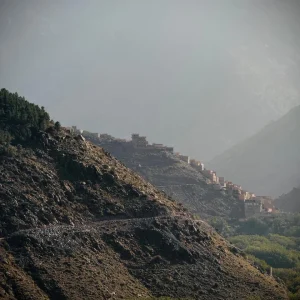
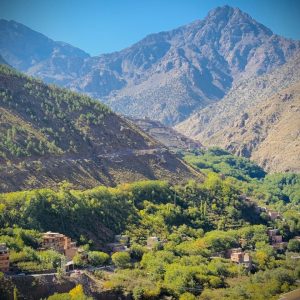
Your trek begins in Imlil at 1,740 m. The trail climbs gradually through the valley of Aït Mizane, passing walnut groves, small family farms, and clusters of stone houses. After the village of Aroumd, the path narrows and becomes rockier, climbing toward the shrine of Sidi Chamharouch a white stone building perched above a rushing river.
From here, the slope steepens. The altitude becomes noticeable as the air thins, but the views widen with every turn. Snow-dusted peaks, long scree slopes, and high cliffs dominate the landscape. By mid-afternoon, most trekkers reach the Toubkal Refuge area at 3,200–3,260 m.
Night at the Refuge
Expect simple dorms, hearty meals, and the unmistakable camaraderie of trekkers. Nights are cold, even in summer. The stars, however, are astonishing.
Day 2: Summit Push (6–8 hours round trip)
Summit morning starts early often around 4 or 5 a.m.
The trail begins immediately uphill through loose scree. Headlamps create a small chain of light weaving up the dark slope. Within an hour, you enter steeper zigzags, and the altitude becomes a real factor. Breathing slows, steps become deliberate.
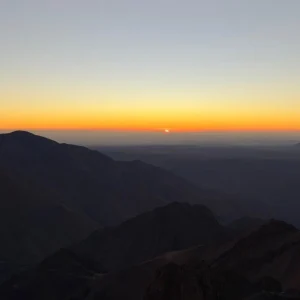
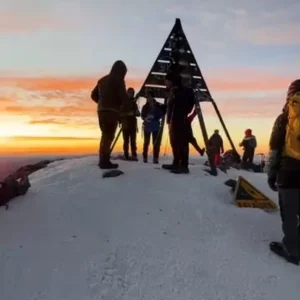
As the sun rises, peaks turn pink, then orange. This is the moment when many travelers say the jebel toubkal trek becomes magical.
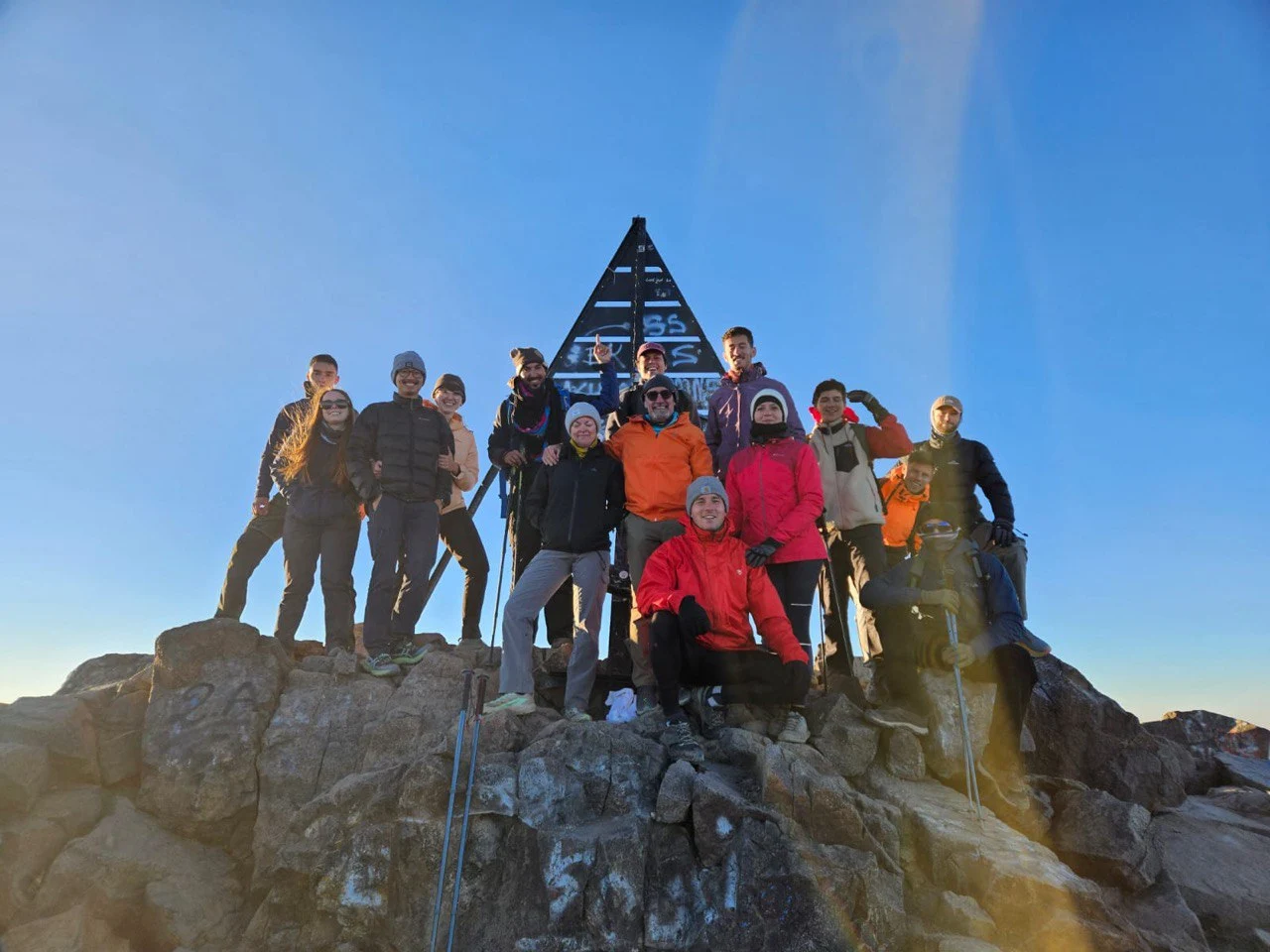
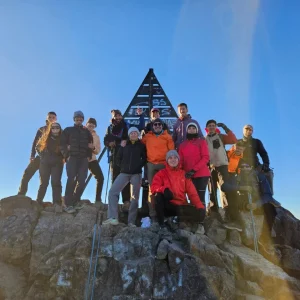
About three hours after leaving the refuge, you reach a final wide ridge. Suddenly, the summit triangle appears metal frame, prayer flags, and a sweeping 360-degree panorama stretching across the Atlas and deep into the Sahara.
Descent
The descent is long but satisfying. Loose gravel demands concentration, and knees usually feel the impact. Most people return to Imlil by mid-afternoon if doing the trek in two days.
3. 7 Epic Reasons You’ll Love the Jebel Toubkal Trek
1. The Highest Peak in North Africa Without Technical Climbing
The mount toubkal height is impressive, yet the climb remains non-technical in summer conditions. It’s a rare mix of high altitude and accessibility.
2. A True Mountain Culture Experience
You walk through Amazigh villages, meet muleteers, eat homemade tagines, and understand a way of life shaped by altitude and seasons.
3. Wild, Photogenic Landscapes
Glacial valleys, lunar scree slopes, jagged ridges the High Atlas supplies dramatic scenery from start to finish.
4. A Challenging Yet Achievable Goal
The climb mount toubkal challenge pushes most trekkers, especially on summit day, but it’s manageable with preparation and proper pacing.
5. Close Proximity to Marrakech
Few world-class peaks are this easy to reach. In just over an hour from the city, you step into an entirely different world.
6. Authentic Mountain Lodges and Hospitality
The refuges and guesthouses keep things simple but warm. You’ll share stories, meals, and mint tea with trekkers and locals alike.
7. A Deep Sense of Achievement
Standing on top of the highest mountain in Morocco is a moment that stays with you not only for the views but for what the journey took to get there.
4. Tips From Local Amazigh Guides
After years of walking these trails with visitors, local guides often share the same honest advice:
“Start slower than you think.”
Altitude punishes rushed starts. Keeping a gentle, steady pace helps you summit with more energy.
“Drink more water than you want to.”
Dehydration hits fast at altitude. Most guides recommend small, frequent sips throughout the day.
“Respect the weather.”
High Atlas conditions change quickly. If clouds build early, expect wind or cold at the top.
“Don’t underestimate the downhill.”
The descent is often the hardest part for beginners. Trekking poles save knees and prevent slips.
“Bring layers always.”
Even in July, mornings can feel freezing above 3000 meters.
Want a guided and well-organized experience? Check out our full 3-day Toubkal trek program.
5. Best Time to Visit and Weather Considerations
The jebel toubkal trek is technically possible year-round, but seasons dramatically change the experience.
Spring (March–June)
Perfect temperatures in the valleys, cooler summit conditions. Snow patches may linger early in the season.
Summer (July–September)
The most stable weather, long daylight hours, warm afternoons at lower elevations. The summit can still be cold at dawn.
Autumn (September–November)
Ideal trekking conditions crisp mornings, warm days, and generally stable skies.
Winter (December–February)
A technical climb requiring crampons, ice axes, and proper winter gear. Beautiful but only recommended with an experienced guide.
Wind & Temperature
Expect:
-
Near freezing temperatures early in the morning at the refuge
-
Strong winds at the summit
-
Very intense sunlight due to altitude
6. Fitness Level Required
To be clear: the jebel toubkal trek is not a walk in the park.
You don’t need to be an athlete, but you should have:
-
Good cardio fitness
-
Experience walking several hours on uneven ground
-
Strong knees or trekking poles for the descent
Most hikers who can comfortably walk 5–7 hours at home, including uphill sections, manage the trek well. The altitude is the biggest challenge not the technicality.
7. What to Pack (Practical Checklist)
A simple, realistic packing list based on what trekkers actually use:
Clothing
-
Waterproof jacket and trousers
-
Warm mid-layer (fleece or lightweight down)
-
Base layers
-
Hiking pants
-
Gloves and warm hat (even in summer)
-
Buff or neck gaiter
Gear
-
Sturdy hiking boots (broken in)
-
Backpack (25–35L)
-
Trekking poles
-
Headlamp (mandatory for summit day)
-
Sunglasses (high UV protection)
-
Reusable water bottles (1.5–2 L)
Other Essentials
-
High-SPF sunscreen
-
Light snacks (dates, nuts, energy bars)
-
Waterproof bag liner
-
Personal medication
-
Small cash for tea, snacks, or tips
8. Approximate Costs (Realistic Ranges)
Prices vary depending on group size, season, and comfort level, but here’s what most travelers can expect:
-
Guided trek (2–3 days): moderate range
-
Mule service: small daily fee
-
Refuge stay: budget to moderate
-
Gear rental in Imlil: affordable (ice axes/crampons cost more in winter)
-
Transfers from Marrakech: moderate and widely available
Overall, the trek remains one of the most affordable high-altitude adventures in the world.
FAQ : Jebel Toubkal Trek
1. How difficult is the Jebel Toubkal trek?
It’s physically demanding but manageable for fit beginners. The altitude is the hardest part.
2. Do I need a guide to climb Mount Toubkal?
Guides are strongly recommended for safety, navigation, altitude pace, and local insight.
3. How long does the trek take?
Most people complete it in 2 days, though 3 days allows better acclimatization.
4. Can beginners climb Mount Toubkal?
Yes as long as you’re reasonably fit, acclimatize properly, and go with an experienced guide.
5. Is there snow on Mount Toubkal?
Snow is common from December to March and sometimes remains in spring. Winter ascents require technical gear.
6. What is the altitude of Mount Toubkal?
The mount toubkal height is 4,167 meters, making it the highest peak in the region.
Conclusion : Ready for Your Jebel Toubkal Trek?
The jebel toubkal trek brings together everything that makes mountain travel meaningful: rugged landscapes, cultural authenticity, physical challenge, and a summit that rewards every step you’ve taken. Whether you want to climb mount toubkal for the achievement, the scenery, or the immersion in Amazigh mountain life, this journey delivers a rare and powerful experience.
If you’re dreaming of your own adventure in the High Atlas, I’d be happy to help you plan it.
Reach out anytime for customized itineraries, local guides, or practical trekking advice.
Start your journey today book the Explore Toubkal Mount 4167m (3 Days) trek and reach the highest peak in North Africa.
0 Comment