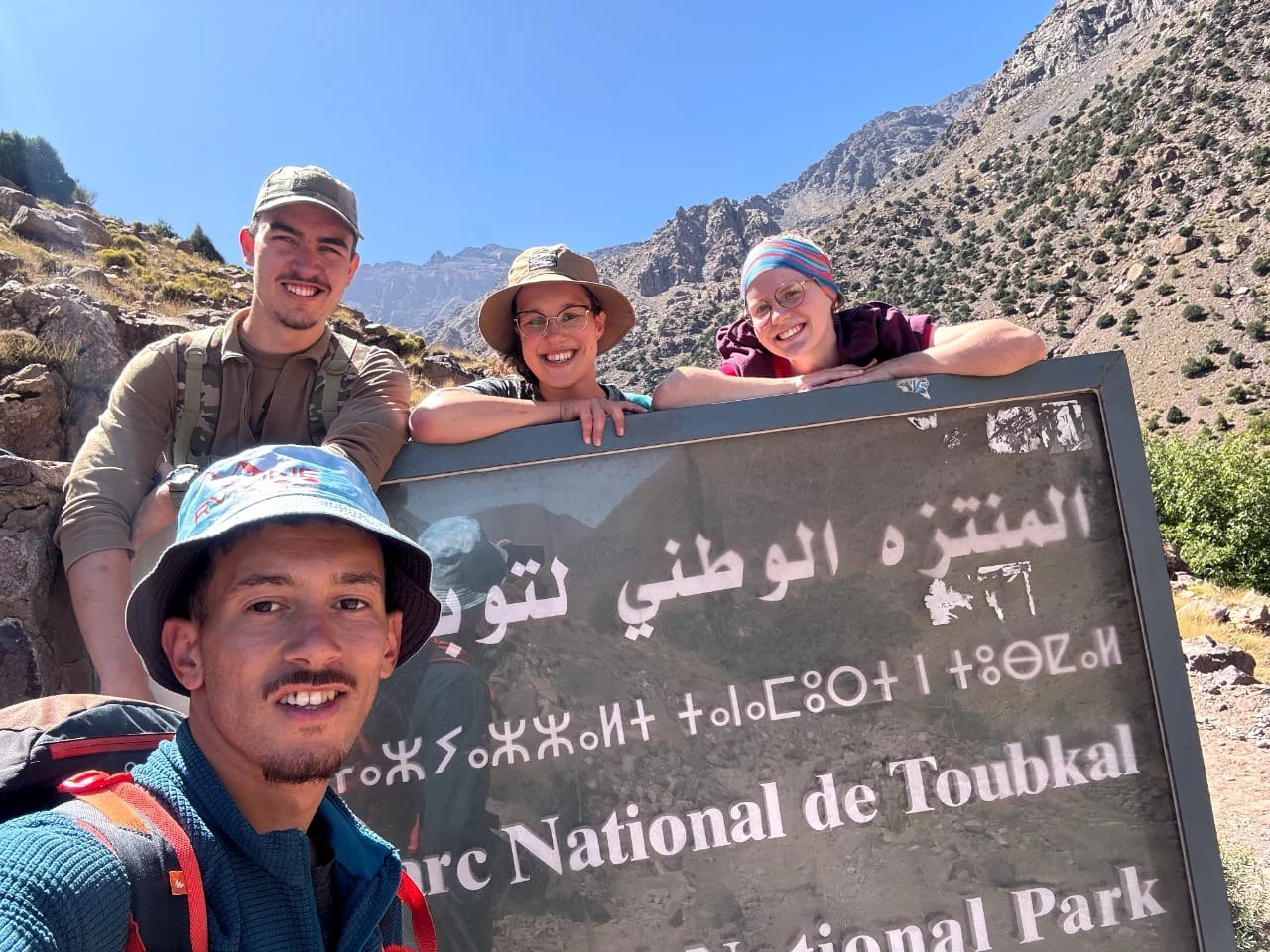

At dawn in the small mountain village of Imlil, the scent of wood smoke drifts through the cool air as mules shuffle along narrow paths. Above the rooftops, the snow-dusted peaks of the High Atlas glow pink under the rising sun. Locals greet trekkers with quiet smiles and steaming mint tea before they set off toward the roof of North Africa Mount Toubkal, the highest mountain in Morocco and a magnet for hikers who crave both challenge and authenticity.
This is not just another hike; the Morocco Mount Toubkal trek is a journey through rugged landscapes, Amazigh (Berber) culture, and the humbling vastness of the Atlas Mountains. For those ready to lace up their boots and climb toward the 4,167-meter summit, here are seven essential tips to make your experience safe, meaningful, and unforgettable.
1. What Makes the Mount Toubkal Trek So Special
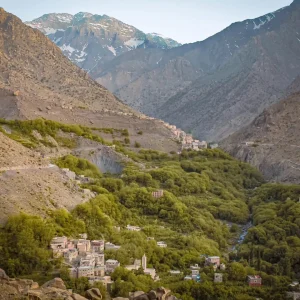
The Atlas Mountains hike is unlike anything else in North Africa. Just 65 kilometers south of Marrakech, the Toubkal Massif rises abruptly from the plains, a world away from the city’s chaos. Villages cling to steep hillsides, terraced fields trace the contours of the valleys, and the people here still follow rhythms that have changed little for centuries.
Climbing Mount Toubkal is about more than reaching a summit. It’s about walking through Amazigh villages where stone houses blend into the earth, sharing a meal of tagine and flatbread with your hosts, and watching herds of goats traverse cliffs that seem impassable. The authenticity of the region lies not in luxury lodges or curated experiences, but in its simplicity a landscape shaped by endurance and humility.
2. The Experience: A Step-by-Step Itinerary
Most travelers start their Explore Toubkal Mount 4167m (3 Days) Trek in Imlil (1,740 m), the gateway to the High Atlas. Here’s a realistic outline of what to expect on the classic two-day climb.
Day 1: Imlil to Toubkal Refuge
You’ll begin your ascent through walnut groves and rocky trails leading up to Aroumd, a traditional Amazigh village built from local stone. The trail continues through the Mizane Valley, gradually steepening as it approaches the shrine of Sidi Chamharouch (2,310 m). Many locals stop here to pay respects before continuing upward a reminder that this mountain holds deep spiritual significance.
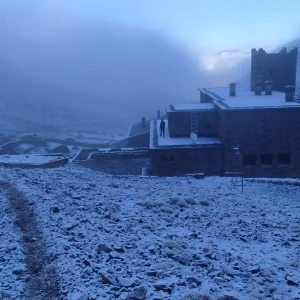
After lunch near the shrine, you’ll continue climbing toward the Toubkal Refuge (3,207 m), a cluster of stone lodges nestled beneath jagged cliffs. It’s a long, steady climb of about 10 km, taking 5–6 hours. The air grows thin and cold. Most trekkers spend the night here, resting and preparing for an early morning summit push.
Day 2: Summit of Mount Toubkal (4,167 m)
You’ll leave the refuge around 4 a.m., guided by headlamp light and a sky heavy with stars. The trail zigzags up loose scree and snow patches. It’s steep and physically demanding, especially above 3,800 meters where oxygen is scarce.
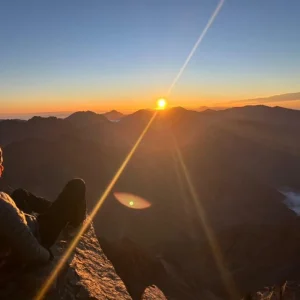
As dawn breaks, the world below unfurls red ridges, deep valleys, and distant desert plains shimmering beyond the peaks. Reaching the Mount Toubkal height of 4,167 meters feels both quiet and monumental. The summit pyramid, built of steel, marks your triumph.
After soaking in the 360° views, you’ll descend carefully back to the refuge for breakfast, then continue down to Imlil. The descent is long but satisfying, bringing you back to green valleys and the comfort of mint tea once again.
3. Insights from Local Amazigh Guides
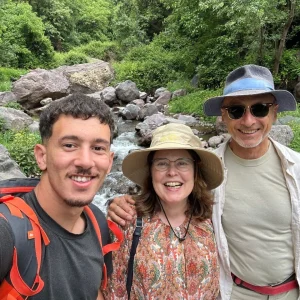
Experienced local guides are the backbone of every successful climb of Mount Toubkal. Many grew up in the valleys around Imlil and know every contour of the terrain.
“Don’t rush,” says Ayoub, a guide from Ait Souka. “The mountain is patient. Those who take their time enjoy it more.”
Guides often emphasize hydration and pacing, especially on the summit day when altitude can cause headaches or dizziness.
They also advise respecting the local culture dress modestly in villages, greet people with salaam alaikum, and avoid photographing residents without permission.
Finally, they remind trekkers that mountain weather changes fast. Even in summer, snow or wind can make the upper slopes dangerous without proper gear.
Listening to these guides is not just about safety it’s about understanding a way of life deeply connected to the land.
4. Best Time to Visit and Weather Considerations
The best season for the Morocco Mount Toubkal trek depends on what kind of experience you want:
Spring (April–May) and Autumn (September–October) offer the most comfortable conditions. The trails are clear of snow, temperatures are mild, and the valleys are alive with greenery or autumn hues.
Summer (June–August) can be hot in the valleys (up to 35°C), but cooler higher up. Early starts are essential to avoid heat exhaustion.
Winter (November–March) transforms Toubkal into a serious alpine climb. Snow and ice cover much of the route, requiring crampons, ice axes, and an experienced winter guide.
The weather can shift suddenly a clear morning can turn into mist and sleet by afternoon. Always check forecasts before setting out, and be prepared for extremes.
For detailed and updated mountain weather forecasts, you can check the official Toubkal mountain weather report here:
https://www.mountain-forecast.com/peaks/Toubkal/forecasts/4167
5. Fitness Level Required
Climbing the highest mountain in Morocco is achievable for anyone with solid fitness and determination, but it’s not a casual walk.
Expect long ascents, rocky paths, and altitude effects above 3,000 meters. If you’re used to hiking in the Alps, Rockies, or Pyrenees, you’ll be well prepared. Beginners should train with regular hill walks, cardio workouts, and some strength exercises in the weeks before.
Altitude is the main challenge. Even fit hikers may feel short of breath or lightheaded above 3,500 m. Go slow, drink plenty of water, and communicate with your guide if symptoms worsen.
6. What to Pack for the Mount Toubkal Trek
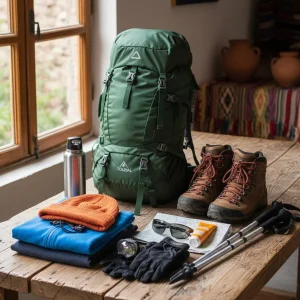
Packing smart can make the difference between a comfortable trek and a miserable one. Here’s a realistic checklist:
Clothing
Layered system: base layer, fleece, waterproof jacket, insulated jacket.
Trekking pants and thermal leggings.
Warm hat, gloves, and buff or scarf (especially for the summit).
Sturdy hiking boots with good ankle support.
Extra socks (wool or synthetic, never cotton).
Gear
Backpack (30–40L) for daily essentials.
Sleeping bag (refuge beds are basic).
Headlamp for the early summit start.
Trekking poles (useful for the descent).
Sunglasses, sunscreen, and lip balm the mountain sun is intense.
Reusable water bottle or hydration bladder (mineral water can be expensive at altitude).
Optional but Useful
Snacks like nuts, dried fruit, or energy bars.
Lightweight towel and toiletries.
Portable power bank for your phone or camera.
7. Approximate Costs and What to Expect
While prices vary, here’s a general breakdown to set expectations:
Guided two-day trek: around €100–€150 per person (including guide, meals, refuge, and mule support).
Additional gear rental (crampons, ice axe in winter): €10–€20 per item.
Transport from Marrakech to Imlil: €30–€50 each way by private taxi or less via shared transport.
Refuge accommodation only: €25–€35 per night with meals.
Tipping guides and muleteers is customary (around 10% of the trek cost). Always hire certified guides through registered agencies or local associations in Imlil it supports the community and ensures safety.
8. The Reward: More Than a Summit
The beauty of the Morocco Mount Toubkal trek lies not only in conquering North Africa’s highest peak but in the small moments: the call to prayer echoing across the valleys, the clatter of mule hooves on stone, the shared laughter over sweet tea after a long climb.
Standing on the summit, wind in your face and the Sahara visible in the distance, you’ll feel the scale of Morocco’s landscapes vast, raw, and unforgettable. It’s a journey that humbles as much as it inspires.
If you’re ready to take on the challenge, start planning your Atlas Mountains hike with a trusted local operator, and step into a world where the rhythm of life still follows the mountain.
FAQ: Morocco Mount Toubkal Trek
1. How difficult is the Morocco Mount Toubkal trek?
It’s considered moderately challenging. The terrain is rocky, and altitude adds difficulty, but no technical climbing skills are required in summer.
2. Do I need a guide to climb Mount Toubkal?
Yes. Since 2019, trekking regulations require all hikers to be accompanied by an authorized local guide for safety reasons.
3. How high is Mount Toubkal?
The Mount Toubkal height is 4,167 meters (13,671 feet), making it the highest mountain in Morocco and North Africa.
4. Can beginners do the trek?
Yes, with basic fitness and preparation. The key is to go slowly and allow your body to adapt to altitude.
5. Is there snow on Mount Toubkal?
From November to April, snow is common above 3,000 meters. Winter ascents require technical gear and an experienced guide.
6. How many days should I allow for the trek?
The classic route takes two days, but three days allows for better acclimatization and a more relaxed pace.
Final Thoughts
The Morocco Mount Toubkal trek is a rare combination of accessibility, cultural depth, and high-mountain adventure. It doesn’t require elite climbing skills only respect for the land, patience with the altitude, and an openness to the people who call these mountains home.
Whether you’re an experienced hiker or a first-time adventurer, climbing Mount Toubkal offers a glimpse into the raw heart of Morocco a place where the trails tell stories, and every step brings you closer to both the summit and yourself.
0 Comment