
The first light creeps across the Atlas Mountains, painting the jagged ridges in pale gold. In the thin air above 3,000 meters, a group of trekkers sip mint tea beside a stone refuge, boots dusted in ochre from the mule trails below. Somewhere behind them, the call to prayer echoes from a distant Amazigh village, and ahead looming above the clouds stands Mount Toubkal, the highest mountain in Morocco.
For those seeking an authentic, raw, and soul-stirring mountain experience, the Mt Toubkal trek is one of North Africa’s greatest adventures. It’s not a luxury expedition or a polished trail walk; it’s a journey through the heart of the Atlas, where rocky passes meet warm smiles, and every step reveals both challenge and beauty.
Ready to take on the summit with confidence and support?
Book your guided trek here:
→ Explore Toubkal Mount 4167m (3 Days)
What Makes the Toubkal Trek So Special?
Jebel Toubkal, or simply Toubkal, rises to 4,167 meters, making it the highest mountain in Morocco and in all of North Africa. Yet what makes the Toubkal hike remarkable isn’t just the altitude it’s the blend of rugged wilderness and deep Amazigh (Berber) culture.
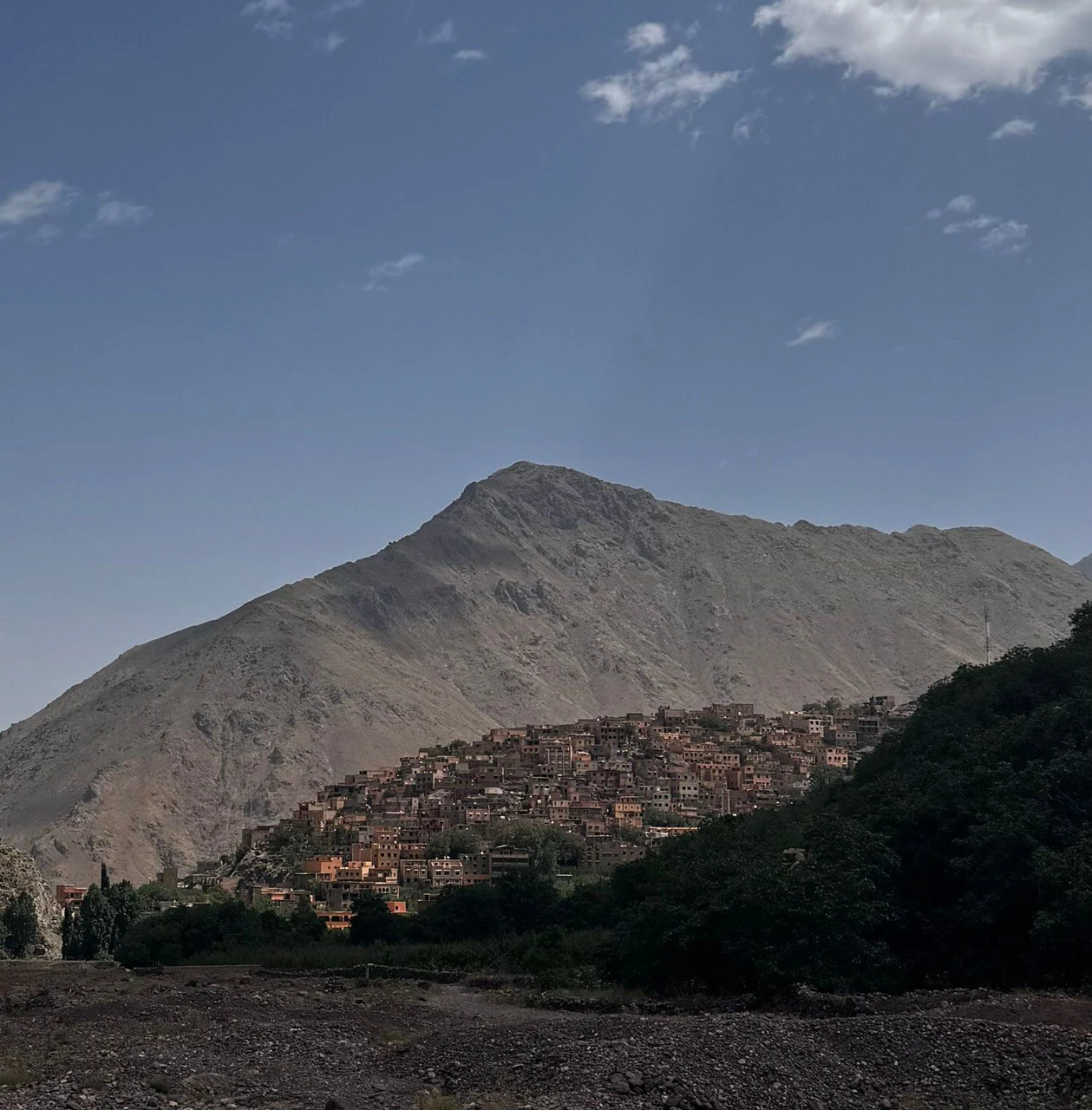
The High Atlas range stretches like a natural fortress between the Sahara and the plains of Marrakech. Villages here cling to the mountainsides, their terraced fields green in spring and gold in late summer. Life feels timeless. Travelers often describe the journey not as “conquering a peak,” but as being invited into another rhythm of life one shaped by snowmelt streams, mule caravans, and the warmth of mountain hospitality.
The Mt Toubkal Trek Experience Step by Step
Most travelers begin their Mt Toubkal trek in Imlil, a peaceful village just 90 minutes from Marrakech. From there, the trail ascends gradually through walnut groves, rocky paths, and wide valleys dotted with juniper and wild herbs.
Day 1 – Imlil to Refuge du Toubkal (around 5–6 hours)
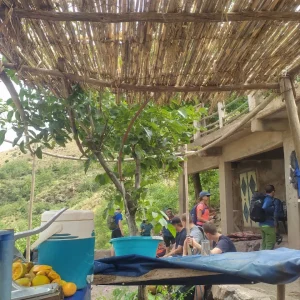
The first day leads through the Mizane Valley, passing the small settlement of Aroumd before climbing to the Chamharouch shrine, a white-domed pilgrimage site where locals seek blessings. Here, trekkers pause for tea and a snack before continuing along a mule track that climbs steadily to the Refuge du Toubkal (3,207 m). Nights here are simple but cozy shared dorms, hearty tagines, and camaraderie among hikers from around the world.
Day 2 – Summit Push (around 4–5 hours ascent, 3 hours descent)
Summit day begins early often before dawn. The air is thin and cold, and headlamps dot the dark slopes like fireflies. The route is steep but not technical, zigzagging up scree and snowfields (depending on the season). As you gain height, the world opens beneath you an endless sea of ochre and stone stretching toward the Sahara.
At the top, the metal pyramid marking the summit feels almost symbolic a quiet reward after hours of breathless climbing. From here, you can see as far as the Anti-Atlas on clear days. The descent retraces your steps back to the refuge or, for stronger hikers, all the way to Imlil.
Many travelers extend the trek with extra days to explore nearby valleys Azzaden, Tachedirt, or Oukaimeden where the trails are quieter and villages untouched by mass tourism.
Tips from Local Amazigh Guides
Few know the mountain better than the Amazigh guides who call it home. Here are some insights they often share with trekkers:
-
Start slow, finish strong. The altitude can catch you off guard. Walk at a steady pace, even if it feels too easy early on.
-
Hydrate constantly. The dry air and elevation mean you’ll lose moisture fast locals often add a pinch of salt or sugar to water to stay balanced.
-
Respect the land. For the Amazigh, these mountains are sacred. Always ask before photographing people, and leave no litter behind.
-
Pack layers, not bulk. Temperatures can swing from hot in the valleys to freezing near the summit.
-
Trust your muleteers. They’ve been navigating these trails for generations many can predict weather changes just by watching the clouds.
-
Tea isn’t just a drink it’s a ritual. Accepting tea is part of Amazigh hospitality. Take the time to sit and connect; it’s part of the journey.
-
Altitude isn’t a race. Spend a night at the refuge before summiting to acclimatize properly.
Best Time to Visit and Weather Considerations
The Mt Toubkal trek can technically be done year-round, but conditions vary dramatically:
-
Spring (April–May): Perhaps the most balanced season. Snow lingers on the upper slopes, but valleys bloom with wildflowers. Streams run strong, and temperatures are pleasant.
-
Summer (June–September): Warm, dry, and busiest. Clear skies but higher daytime heat ideal for strong trekkers comfortable in the sun.
-
Autumn (October–November): Crisp mornings, fewer crowds, and rich golden light many guides consider this the best season overall.
-
Winter (December–March): True alpine conditions. Snow and ice cover the upper routes; crampons and ice axes are essential. The experience becomes more like a winter mountaineering adventure.
Weather in the High Atlas changes quickly. Even in summer, storms can sweep in by afternoon. Always check forecasts and listen to your guide’s advice.
Fitness Level – Be Honest with Yourself
While Mount Toubkal doesn’t require technical climbing skills, it demands solid physical fitness and good preparation. Expect:
-
6–8 hours of walking per day on uneven, rocky trails
-
Significant altitude gain (up to 1,000 meters on summit day)
-
Thin air oxygen levels drop by around 40% near the top
You don’t need to be an athlete, but stamina and some previous hiking experience help enormously. If you can comfortably hike 15–20 km with a backpack, you’ll manage fine with the right pacing.
A few pre-trip hikes at home especially on hills or stairs will make a big difference once you’re on the slopes of Jebel Toubkal Morocco.
What to Pack for the Toubkal Hike
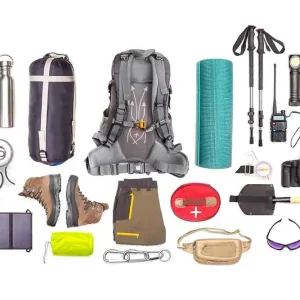
Packing smart can make or break your comfort level. Here’s a practical checklist refined from local guide recommendations:
-
Footwear: Sturdy, broken-in trekking boots with ankle support
-
Clothing: Layered system base (moisture-wicking), mid (fleece or down), outer (wind/waterproof)
-
Accessories: Hat, gloves, buff, sunglasses, and high-SPF sunscreen
-
Gear: Trekking poles (very useful for the descent), sleeping bag (for cold nights in the refuge), reusable water bottle, headlamp
-
Personal items: Electrolytes, small first aid kit, tissues, and earplugs (refuges can be noisy)
-
Optional: Lightweight camera, notebook, or something to trade locals appreciate small gestures like postcards or shared snacks
Remember, mules usually carry the heavier items, but weight adds up quickly. Keep your daypack light.
For more detailed guidance on planning your journey,
check out our full guide:
→ Morocco Mount Toubkal Trek: 7 Amazing Tips for Adventurers
Approximate Costs and Logistics
Costs for the Mt Toubkal trek vary based on duration, group size, and comfort level. A realistic range for a 2-day trek with guide, mule, and refuge stay is around €100–€200. Longer routes or private arrangements can range from €250–€500.
Inclusions usually cover meals, guide services, and accommodation, but not gear rental or tips. Hiring local guides in Imlil directly often ensures fair wages stay within the community.
For those wanting to travel responsibly, consider small local agencies or cooperatives rather than large international operators they tend to employ local muleteers, cooks, and porters fairly.
Frequently Asked Questions about the Mt Toubkal Trek
1. Is the Mt Toubkal trek safe?
Yes, the route is well-trodden and guided treks are generally safe. The main risks come from altitude sickness and sudden weather changes both manageable with preparation and guidance.
2. Can beginners do the trek?
Absolutely, provided you’re fit and acclimatize properly. It’s more demanding than a casual hike, but not a technical climb.
3. Do I need a guide for the Toubkal hike?
Legally, yes since 2018, the Moroccan government requires trekkers to be accompanied by certified guides for safety reasons.
4. How high is Mount Toubkal?
Toubkal stands at 4,167 meters (13,671 ft), the highest mountain in Morocco and North Africa.
5. Is there snow on Toubkal year-round?
Not year-round, but snow typically covers the summit from November to May. Winter treks require crampons and experience in icy conditions.
6. How many days do I need for the trek?
The classic route takes 2 days, but adding extra days to explore the valleys or acclimatize makes for a richer and more comfortable experience.
A Journey Beyond the Summit
Climbing Mount Toubkal isn’t just about reaching the highest point in Morocco it’s about immersion. In the silence above 4,000 meters, with the Sahara haze on the horizon, most trekkers feel something shift. The fatigue fades, replaced by a quiet sense of connection to the mountains, to the people who live among them, and to yourself.
If you’re drawn to authentic adventure, honest challenge, and unforgettable landscapes, the Mt Toubkal trek delivers all of that and more. Pack your boots, your curiosity, and an open heart. The Atlas is waiting.
0 Comment