

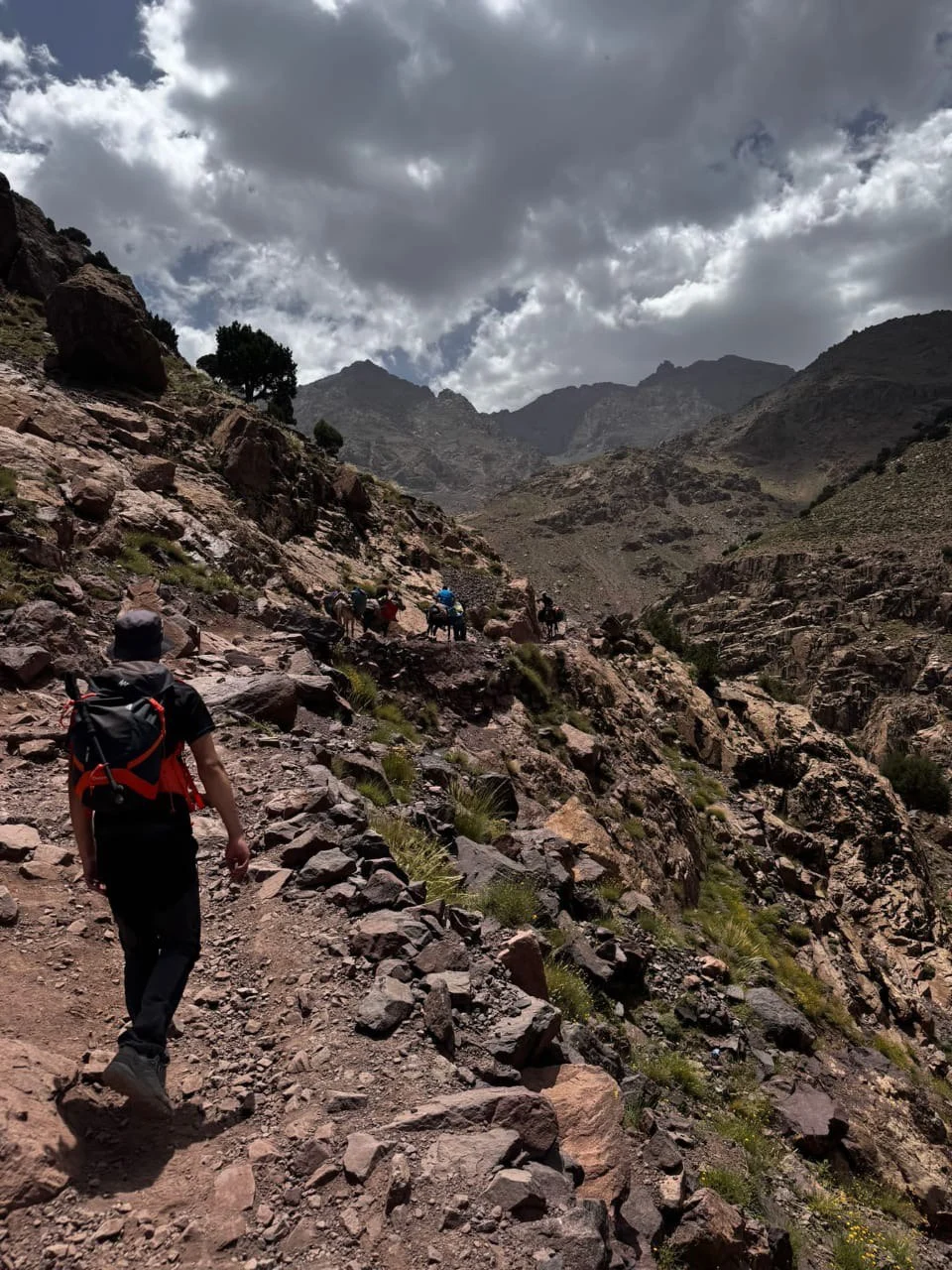

Early in the day, the air above Marrakech still carries a little coolness. You feel it most when you leave the city’s edges and the road begins to rise. The light changes first less glare, more clarity. Then the sounds thin out. Motorbikes and horns fall behind, replaced by the steady hum of tires, a dog barking somewhere across a valley, the occasional clink of metal as a truck passes carrying gas bottles or sacks of feed. In the Atlas, silence isn’t total. It’s simply spacious.
At certain bends, the landscape opens so suddenly it can make you quiet without trying. Not because it’s “dramatic,” but because it’s real scale ridges layered behind ridges, dry slopes cut by gullies, small fields held in place by stone walls. The atlas mountains morocco begin like this: not as a postcard, but as a gradual shift in air, pace, and attention.
Micro-summary: The Atlas doesn’t announce itself with slogans; it arrives through changing light, thinning noise, and a slow climb into wider space.
For those who want to experience the Atlas beyond a single valley, a slower multi-day journey from Marrakech offers a deeper understanding of these mountains and the people who live within them.
→ From Marrakech: Discover High Atlas Mountains (5 Days)
What the Atlas Mountains in Morocco really are
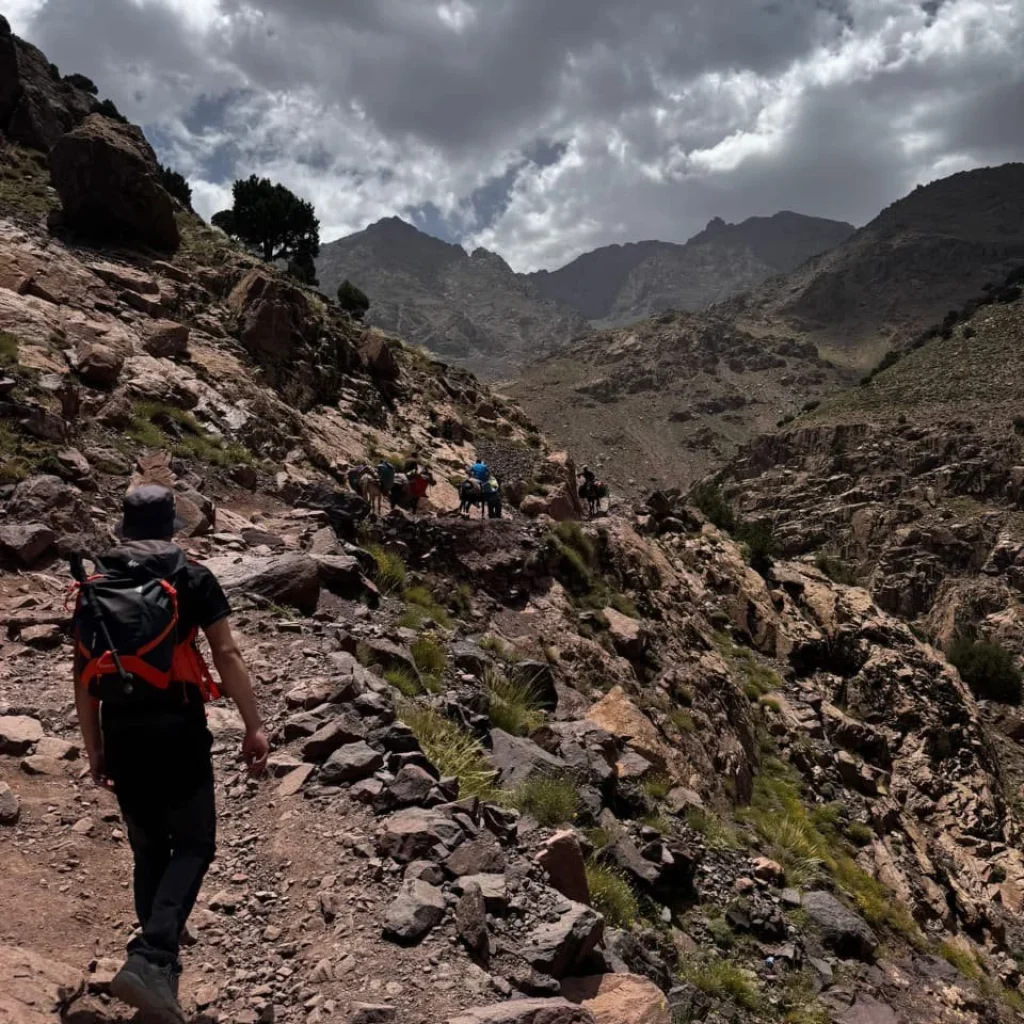
It’s easy to say “a mountain range,” but that doesn’t capture what atlas mountains in morocco feel like on the ground. The range is not one clean line on a map. It’s a long, folded system of ridges, plateaus, valleys, and passes that shape how people move, farm, trade, and live. Distances don’t behave the way they do on flat land. A village that looks close can take an hour to reach because the road must follow a valley, then cut back on itself, then climb again.
Geography here is lived geography. Water decides everything. You notice it in channels that guide snowmelt into terraces, in the way greener pockets gather around a spring, and in the small, careful engineering of irrigation. You also notice the rock often a red-brown that catches afternoon light softly, and sometimes a grey that makes the landscape feel stripped back and honest. The moroccan atlas mountains are not uniform; they change character as you move through them, and that changing is part of their meaning.
Scale is best understood by time rather than numbers. If you follow roads that climb and dip through valleys, you start to sense how the Atlas acts as a backbone to the country, influencing climate, agriculture, and even the mood of the sky. Mountains create weather, and in Morocco they also create rhythm.
Micro-summary: The Atlas is a system of valleys and ridges that shapes time, water, and movement best understood by traveling through it, not just locating it.
The human side of the Atlas: villages, terraces, daily life
The atlas mountain villages are not museum pieces. They are working places, built for weather and terrain rather than decoration. In many villages, homes are made from earth and stone in colors close to the mountains themselves, which can make them blend into the slope until you’re nearly inside the village. Paths are practical: narrow, stepped, sometimes edged by low walls. You see donkeys carrying wood, children moving quickly between houses, someone sweeping dust from a threshold with a small broom. It’s everyday life, not staged life.
The Amazigh (Berber) presence in the Atlas is not just cultural identity; it’s a way of organizing mountain living. Terraced fields often small and carefully tended show generations of work. Orchards appear where water allows: walnut trees, apple trees, sometimes cherry. In some seasons you’ll see women sorting greens or herbs; in others, men repairing walls or channels. The mountains teach maintenance. Things break, weather shifts, paths erode. The response is steady repair.
If you spend time in a village, what stays with you isn’t a single “traditional” scene, but a feeling for how much attention is required to live well here. The mountain doesn’t flatter you. It asks for competence, patience, and community.
Micro-summary: Atlas villages are living, working communities built around water, maintenance, and a steady, skillful rhythm shaped by the mountain.
High Atlas vs other Atlas ranges
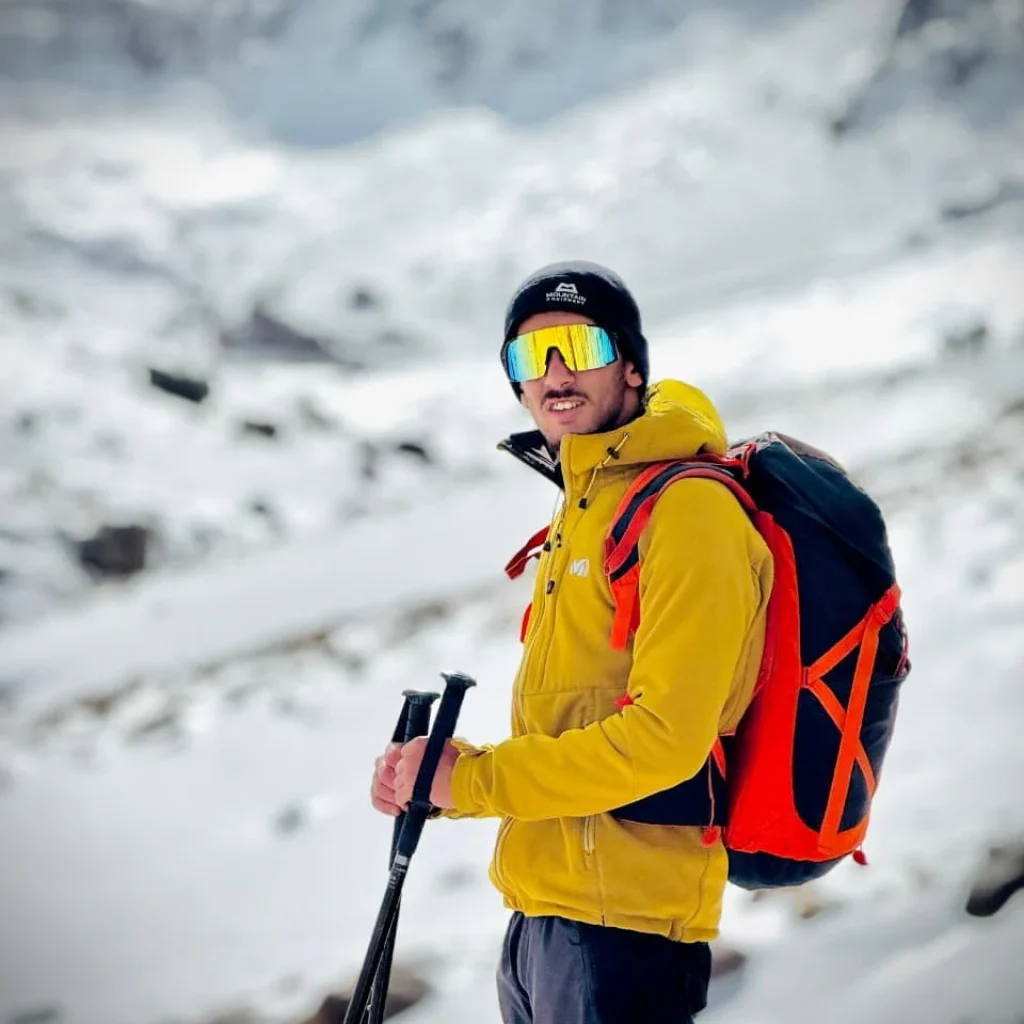
People often mean the high atlas mountains when they talk about the Atlas, especially from Marrakech, because this is the nearest range with the strongest sense of altitude and relief. Valleys here rise quickly; roads climb into sharp turns; winter snow can feel close even when the plains are mild. The High Atlas tends to read as more vertical, more defined by deep valleys and sudden changes in elevation.
Other Atlas ranges have different personalities. Some stretches feel broader, drier, more open less about steep ascent and more about long distances and wide horizons. The differences aren’t something you need a technical background to notice. You feel them in the air, in the vegetation, in how villages sit on the land. Even the pace changes: in some areas, you move through tight valleys; in others, you travel for long stretches where the land seems to expand rather than climb.
If you’re trying to understand atlas mountains morocco as a whole, it helps to think of it as multiple mountain worlds connected by roads and passes, not one single scene repeated.
Micro-summary: The High Atlas often feels steeper and closer to “big mountain” terrain, while other Atlas areas can be broader and more open different mountain moods within the same system.
Seasons and atmosphere
The Atlas changes more than many visitors expect. Not in a dramatic “four perfect seasons” way, but in subtle shifts that alter how the mountains feel on your skin and in your schedule.
In winter, snow can transform the upper valleys into a quieter version of themselves. The cold sharpens outlines. Smoke from fireplaces is more noticeable. Travel becomes more conditional; roads can be clear one day and slowed the next. Winter also highlights the practical side of mountain life thicker clothing, shorter daylight, a sense of moving with care.
Spring brings water and activity. Meltwater runs through channels, and the first greens appear in terraces and along valley bottoms. You’ll see more movement in fields, more repair work, more visible farming rhythms. The air can feel clean and slightly sweet, especially after rain.
Summer can be hot, but the mountains offer relief shade under trees, cooler nights at altitude, and a different kind of clarity in the light. At the same time, dryness becomes obvious. Water management feels central. The landscape can look stripped back, but not empty more like a place showing its structure.
Autumn often feels like a settling season: harvests, warmer colors in orchards, and a slower pace before winter returns. If you want atmosphere without extremes, autumn can be kind.
Micro-summary: The Atlas isn’t one fixed landscape snow, water, heat, and harvest reshape the mood and practical reality of the mountains through the year.
Moving through the Atlas: roads, walking, time, distance
To move through the Atlas is to recalibrate what “nearby” means. Roads are often good, but rarely straight. They follow valleys, contour around rock, climb in switchbacks, then drop again. A short drive on the map can feel like a longer journey because your body registers constant change altitude, turns, stops, views that pull your attention away from time.
Even without focusing on trekking, walking is part of understanding atlas mountains in morocco. In villages, you walk because paths are the logic of the place. You walk to cross a small bridge, to reach a house tucked above a terrace, to move from one cluster of homes to another. These short walks matter. They show you how the land is used, where water runs, how steep “normal” is for daily life.
Time in the Atlas also includes interruptions that don’t feel like inconveniences: a roadside stall with oranges and walnuts, a moment to let sheep cross, a tea offered without hurry. If you rush, you’ll still see mountains. But you won’t feel how the Atlas holds people, and how people have learned to hold it back stone by stone, channel by channel.
Micro-summary: The Atlas is understood through movement curving roads, short village walks, and the way distance expands when terrain sets the pace.
Do you need time to understand the Atlas?
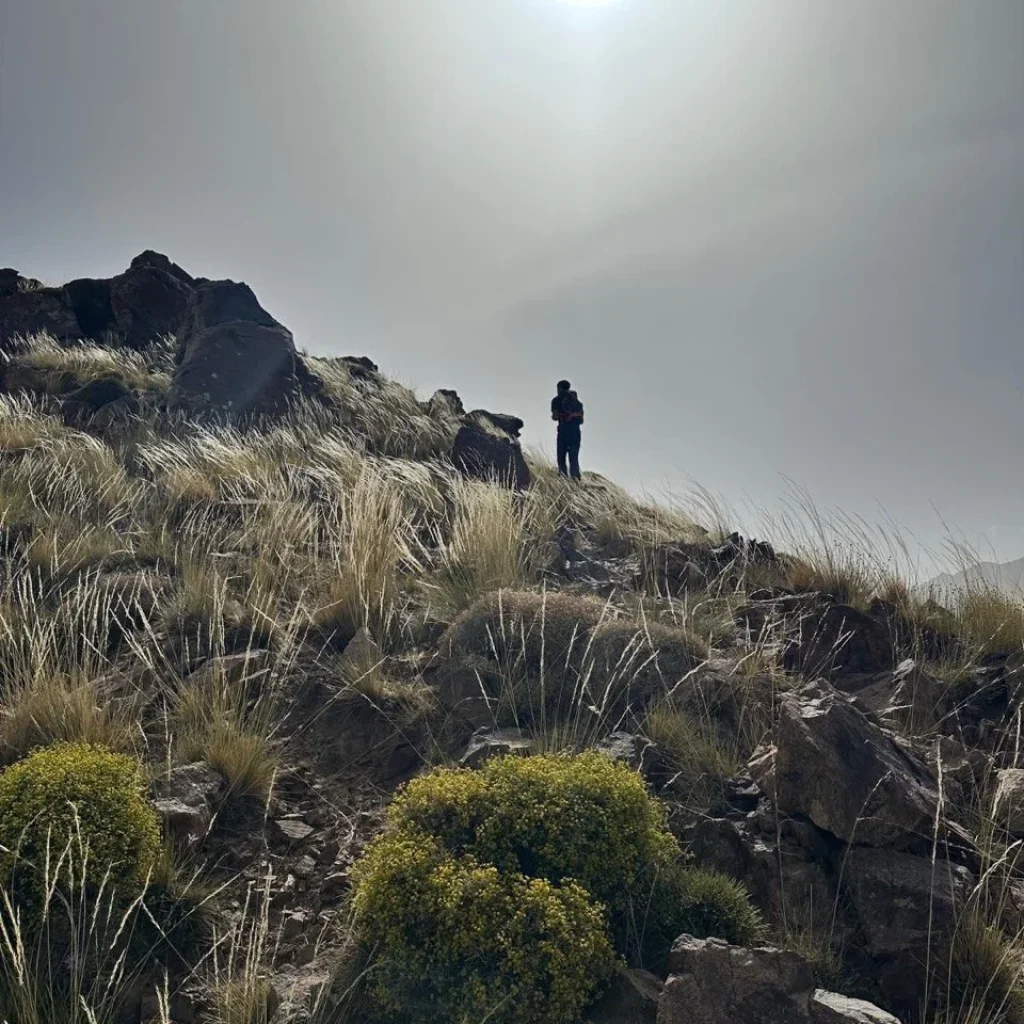
A quick visit can be meaningful, but it often stays at the level of scenery: a valley view, a village stop, a return before evening. That’s not wrong. It’s just incomplete. The Atlas becomes more intelligible when you see it at more than one hour of the day, more than one temperature, more than one kind of light. Morning and late afternoon can feel like different countries.
Depth comes from continuity. When you spend several days in the moroccan atlas mountains, you start to recognize patterns how weather builds, how people time their work, how certain roads funnel movement, how valley shapes influence settlement. You notice small things: where the best shade falls at midday, how a terrace wall has been repaired, how a village grows outward along a contour line.
For travelers who want that kind of understanding not just a sample, but a thread that connects places a multi-day journey from Marrakech into the High Atlas can make sense. Five days is enough time to let the mountains become familiar rather than merely impressive: to move across a few valleys, spend unhurried time in villages, and let the scale settle into your memory.
Micro-summary: Short visits show the surface; several days reveal patterns. A five-day High Atlas rhythm can turn the mountains from “views” into a lived landscape.
Practical awareness and respect
Pace and presence
In the Atlas, being respectful often looks like being unhurried. Walk through villages without treating them as attractions. If you stop, do it with a reason buy fruit, ask for directions, greet people rather than hovering with a camera.
Clothing and comfort
Dress for changeable conditions, even in warmer seasons. Layers matter: mornings can be cool; afternoons can heat up; shade can feel like a temperature drop. Shoes should handle uneven stone and dust, even if you’re only walking short distances.
Photography
Ask before photographing people. A smile and a simple gesture of permission go a long way. Also consider what you photograph: sometimes the most respectful choice is to keep a moment private.
Space and customs
Villages have their own rhythms prayer times, school runs, market days. If you’re invited for tea, accept with patience. If you’re not invited, don’t force closeness. Courtesy in the Atlas is often quiet and indirect.
Micro-summary: Respect in the Atlas is practical: move at a human pace, dress for shifts, ask before photos, and treat villages as communities, not scenery.
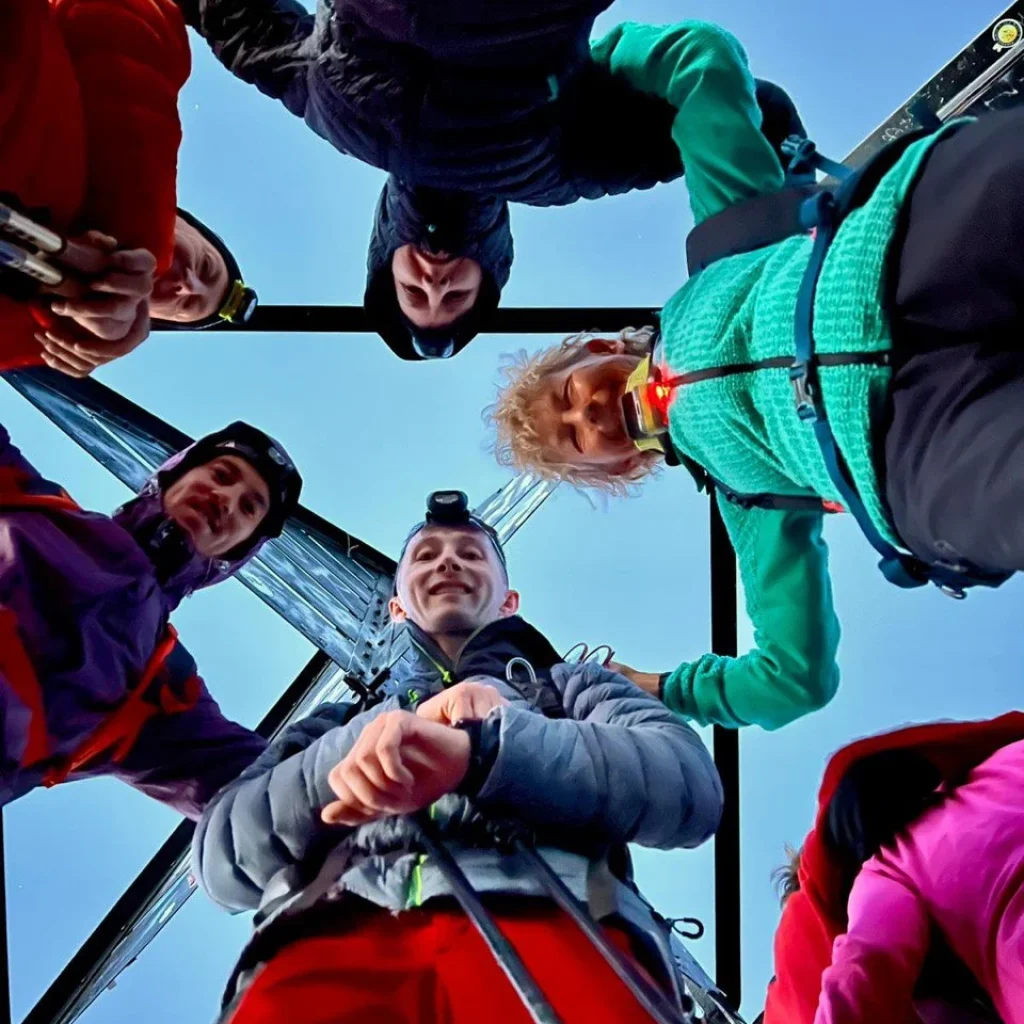
If this article resonates and you’re curious about seeing the Atlas at a more thoughtful pace, a guided multi-day route from Marrakech can turn these landscapes into lived experience rather than passing scenery.
→ From Marrakech: Discover High Atlas Mountains (5 Days)
FAQ
Is “Atlas Mountains Morocco” one place or many regions?
Many. The Atlas includes multiple ranges and a wide variety of valleys, plateaus, and settlements; it’s better thought of as a mountain world with many local characters.
Are the High Atlas Mountains the best area to start from Marrakech?
Often, yes. The High Atlas is accessible from Marrakech and gives a strong sense of altitude, deep valleys, and mountain village life without requiring specialized plans.
What are atlas mountain villages like for visitors?
They’re working communities. Visitors are usually welcomed when they behave respectfully, move calmly, and don’t treat daily life as a spectacle.
When is the most comfortable season to explore the Atlas?
Spring and autumn tend to balance temperatures and atmosphere well. Winter can be beautiful but colder and more weather-dependent; summer can be hot but cooler at higher elevations.
Do you need a lot of hiking to understand the Atlas?
No. Even short walks in and around villages, combined with time on mountain roads, can teach you a lot about terrain, water, and daily rhythms.
Is a multi-day stay worth it compared to a quick visit?
If you care about understanding place rather than collecting viewpoints, yes. Time adds context light, weather, and patterns of life become clearer over several days.
Conclusion
The atlas mountains morocco aren’t a single dramatic moment. They’re a long conversation between rock, water, and human work. If you approach them with patience, the mountains start to feel less like a backdrop and more like a living structure one that holds villages in place, shapes seasons, and teaches a slower kind of attention.
What stays with you is often small: the sound of water in a channel you didn’t notice at first, the way a village path curves around a terrace wall, the light going soft on stone at the end of the day. These are not “highlights.” They’re signs that you’ve stopped trying to extract the Atlas and started to meet it.
Near the end of any stay, it becomes clear that the High Atlas isn’t something you finish. It’s something you begin to understand, slowly, especially if you give yourself more than a day enough time for continuity, for mornings and evenings, and for the mountains to feel less like scenery and more like place.
Author Bio
I’m a field-based travel writer who has returned to the Atlas repeatedly over the years, spending time in valleys and villages rather than rushing through viewpoints. I pay attention to everyday details water, paths, seasons, and the quiet logistics of mountain life and I try to write in a way that respects the communities that make these landscapes lived, not just seen.
0 Comment